Table of contents:
Successfully Designing Sales Contests for Introverted Reps
Sales contests are short programs that motivate reps to hit specific goals by adding structure and a bit of fun to everyday selling. They can be as simple as a weekly push on qualified meetings or as involved as a quarter-long, multi-metric challenge. When they work, they create momentum and make progress easy to see.
The catch? Most teams are a mix of personalities. Some folks thrive on loud leaderboards and public shoutouts. Others do their best work in quieter ways. If you've got introverts on your team (and you do), designing contests that work for them isn't just kind, it's smart business.
Fret not, as this guide can help. Read on to learn how to design sales contests for introverted sales reps.
Understanding Introverted Sales Reps and Their Challenges
Introverted sales reps often draw energy from focused, one-on-one work rather than big, high-stimulus environments.
They tend to prepare deeply and listen carefully. They move conversations forward with thoughtful questions. That's not the stereotype we've been sold about sales. But it's a real and proven path to revenue.

Gregor Emmian, Deputy Chief Digital Growth Officer at Rise, has worked closely with sales and growth teams that rely on trust-based communication and long-term relationship building.
He notes that introverted sales reps often stand out because they listen carefully and prepare thoroughly. They focus on meaningful conversations rather than high-pressure tactics.
Emmian says, “Introverted sales reps often excel at building deeper, more meaningful client relationships. They tend to be exceptional listeners who ask thoughtful questions and create trust through authenticity. These qualities lead to higher customer retention rates and more sustainable business growth.”
Research backs this up:
Adam Grant's study on the ambivert advantage found that reps who balance introverted and extroverted traits often outperform their more extreme peers, partly because they can switch styles based on the situation. There isn't one "sales personality" that wins every time.
Challenges faced by introverted reps in traditional sales contests
Traditional contests lean into public scoreboards and winner-takes-all rewards. Think of:
- Gong hits
- All-hands callouts
- Slack bells that never quit.
For introverts, that can feel like a spotlight they didn't ask for. Plus a level of stimulation that drains energy they'd rather spend on customers.
In those setups, introverts may hesitate to share ideas in open forums and downplay their wins. They can also get overshadowed when contests count only the final deal. Not the high-quality discovery work and thoughtful follow-ups that quietly move a pipeline.
Samuel Charmetant, Founder at ArtMajeur, has seen how creative and sales-oriented teams perform better when recognition goes beyond loud competition and public rankings.
He found that traditional contest structures often overlooked thoughtful contributors who preferred collaboration and behind-the-scenes problem-solving over constant visibility.
Charmetant explains, “When we shifted from purely competitive contests to include collaborative challenges, participation jumped across the board. Our introverted team members started contributing ideas they'd been holding back, and overall team performance improved. The key was creating multiple pathways to recognition.”
That shift: multiple ways to win, multiple ways to be seen. It opens the door for more people to bring their best.
How to Design Sales Contests for Introverted Reps
Key principles for inclusive sales contests
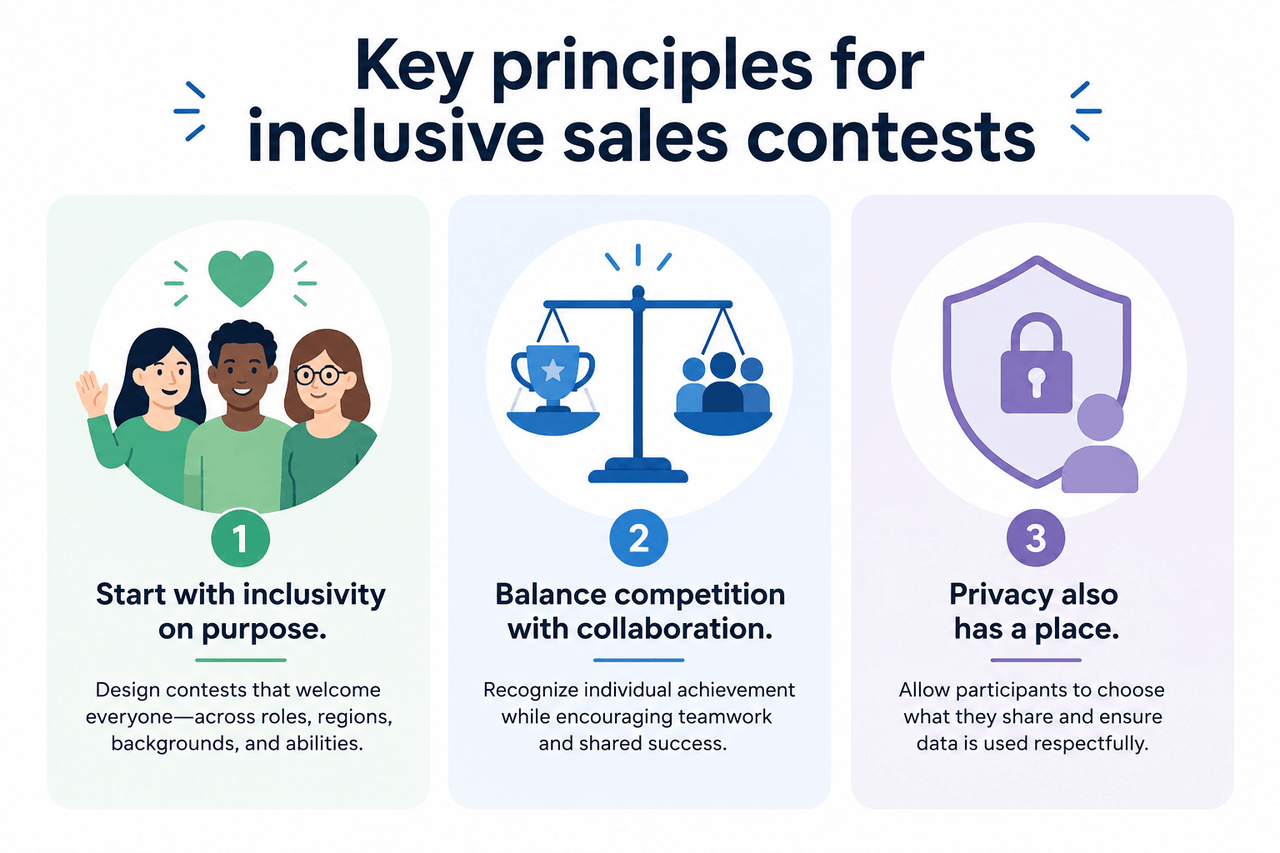
- Begin with inclusivity on purpose. Ask reps what motivates them, then design around diverse answers. Some will push hard for public trophies. Others will respond better to steady personal improvement or quiet employee recognition from a manager they respect.
- Balance competition with collaboration. Blend "beat your last best" with "help the team hit a shared goal." Strong teams do both. And if you want people to share real challenges and keep learning during a contest, psychological safety matters.
- Privacy has a place as well. Not everything needs a megaphone. Give people control over how their progress is shared. And make space for low-stakes iteration that happens offstage.
Bryan Henry, President of PeterMD, has seen this play out within healthcare growth and patient acquisition teams. He notes that shifting away from leaderboard-only competition helps create more consistent performance across providers. Especially in high-trust, patient-facing environments.
Henry shares, "Personal milestone contests generate strong engagement…especially in environments like healthcare services where performance is tied to both speed and quality of patient interactions.
"When professionals focus on improving their own baseline rather than ranking against colleagues, motivation becomes more sustainable and less stressful.”
Strategies to motivate and engage introverted sales reps
- Focus on personal bests. Track improvement relative to a rep's own history (average deal size, stage-to-stage conversion, response time, or talk-to-listen ratio) rather than pure leaderboard rank. That approach rewards growth. Not just volume.
- Pair that with private feedback sessions. Many reps prefer a quick, focused 1:1 over a public spotlight. Gallup notes that the most motivating recognition matches people's preferences. While some enjoy the stage, others value a quiet, sincere note or a growth opportunity more.
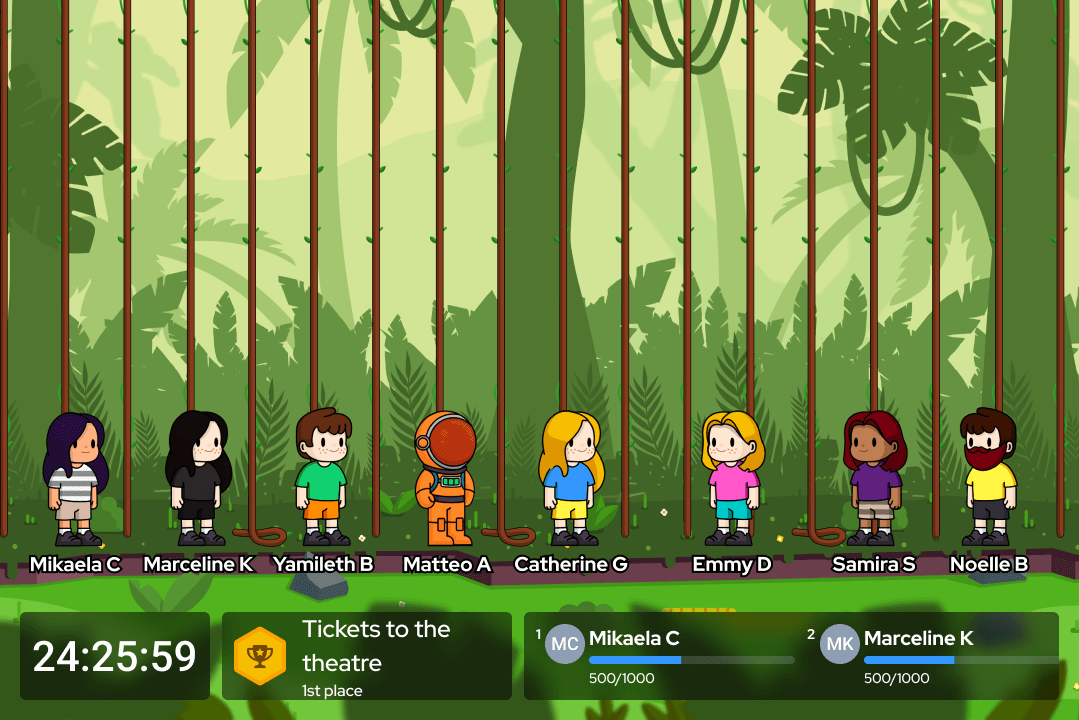
- Add light gamification, but keep it human. Gamification can drive engagement when it rewards meaningful behaviors. AI-powered gamification can positively impact motivation and performance. Especially when it aligns with clear goals and feedback loops. See Plecto’s contest feature that motivates employees to hit the targets:
A few examples:
- Paired "assist" challenges work well. Pair reps and reward both the assist and the close. For example, points for a high-quality discovery passed with notes that lead to a later-stage meeting.
- Personal improvement sprints give people two to four weeks to beat their own baselines. Consider specific metrics like qualified meetings, proposal turnaround time, or multithreaded contacts per account.
- Team quests with roles let different people contribute points in different ways. Think of research, outreach quality, call prep, and follow-up depth. Ultimately, quieter strengths get to shine.
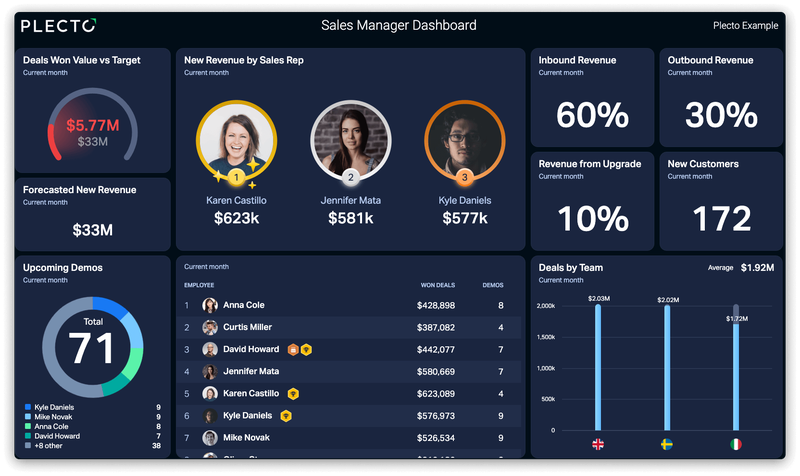
- Silent leaderboard mode means individuals see their own progress against targets. Meanwhile, managers see the full picture (see Plecto's dashboards for sales managers). Public screens show milestones reached. Not exact ranks!
- Deep relationship awards can reward renewals at expansions preceded by multi-stakeholder discovery or customer advocacy milestones. Relationship-building is real selling.
- Prep and process spotlights celebrate excellent pre-call plans and CRM hygiene streaks. Not to mention deal reviews that improve win probability. It's the plumbing that keeps revenue flowing.
Tools and Technology for Supporting Diverse Sales Teams
The right tools make all of this easier to run and more fair to track.
Look for platforms that:
- Integrate with your CRM,
- Visualize progress in real time,
- And let you tailor views for different audiences.
Features that matter for introverts:
- Personalized dashboards
- Private analytics
- Configurable recognition
- Achievements that reflect both outcomes and the work that leads to them
For example:
On Plecto, teams can build personal dashboards and set up contests. They can show data on shared TVs when that makes sense or keep progress private when that's the better call.
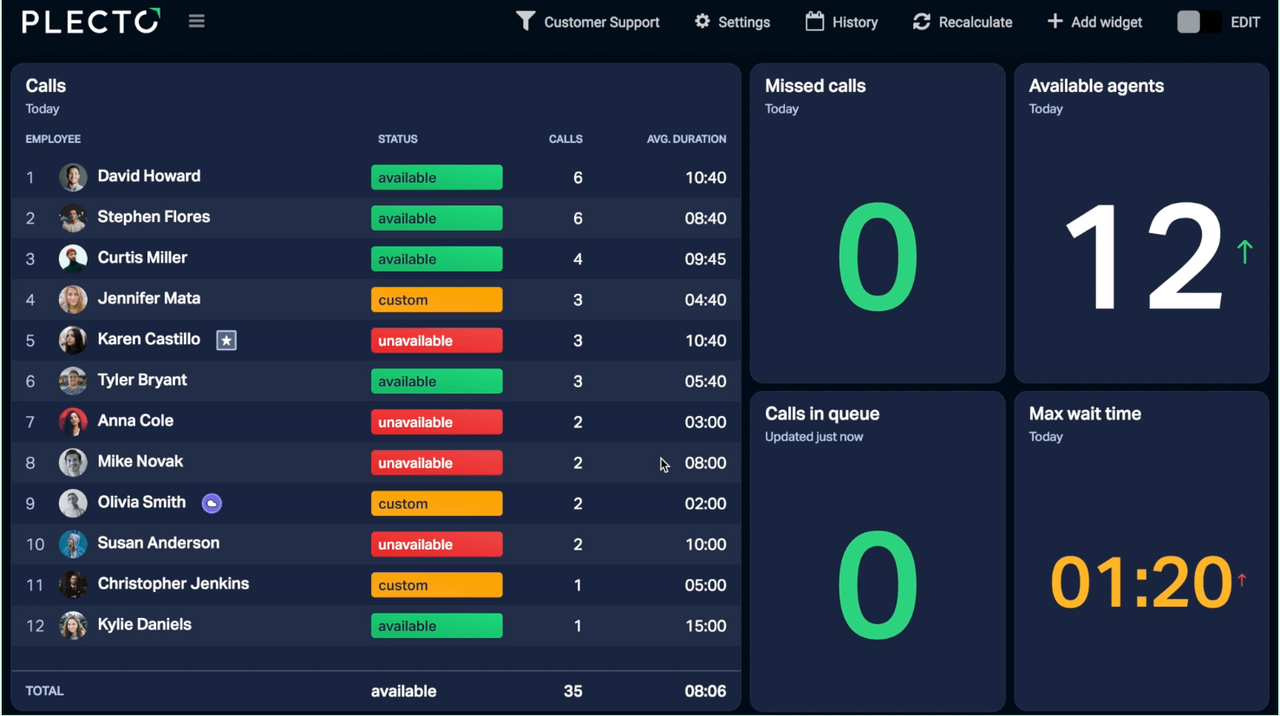
As a sales manager, you can track custom KPIs. You can create achievements. And more importantly, you can tailor recognition to how people actually like to be recognized.
Zaheer Dodhia, CEO of Hummingbird International, sees this clearly in how performance and recognition systems are structured across client-facing growth teams in digital marketing environments.
Dodhia mentions, "Private performance dashboards and personalized goal tracking give introverted reps the space to excel without spotlight pressure. Our data shows that teams using individualized recognition features see higher engagement rates across all personality types."
Ultimately, technology should amplify each person's strengths. Not force them into uncomfortable situations.
Final Words
Inclusive contests don't water down performance. They widen the path to it.
When you design for diverse motivations and give people control over how they're seen, more reps show up fully. The payoff? Healthier pipelines and steadier morale. Not to mention customer relationships that actually last!
That said, take a fresh look at your current contests. Where could you swap a single leaderboard for personal bests? Where might private dashboards reduce pressure and boost focus?
Tools like Plecto make it simple to build contests and track custom KPIs. So, it fits your whole team…not just the loudest voices. Sign up now to start a 14-day free trial!
Start your 14-day
free Plecto trial today.



ROMAN SHVYDUN
Content Expert and Strategist
As a content creator specializing in SaaS business and marketing, Roman Shvydun writes data-driven articles for SaaS websites. His superpower is converting SaaS “dialects” into a universally understandable “language” with actionable steps for brands and marketers in the field. Roman has become a recognizable voice in SaaS thanks to his fresh ideas and analytical skills. In his spare time, he fishes and “hunts” for new technology trends in the industry and beyond.