Table of contents:
What Are KPIs for Real Estate?
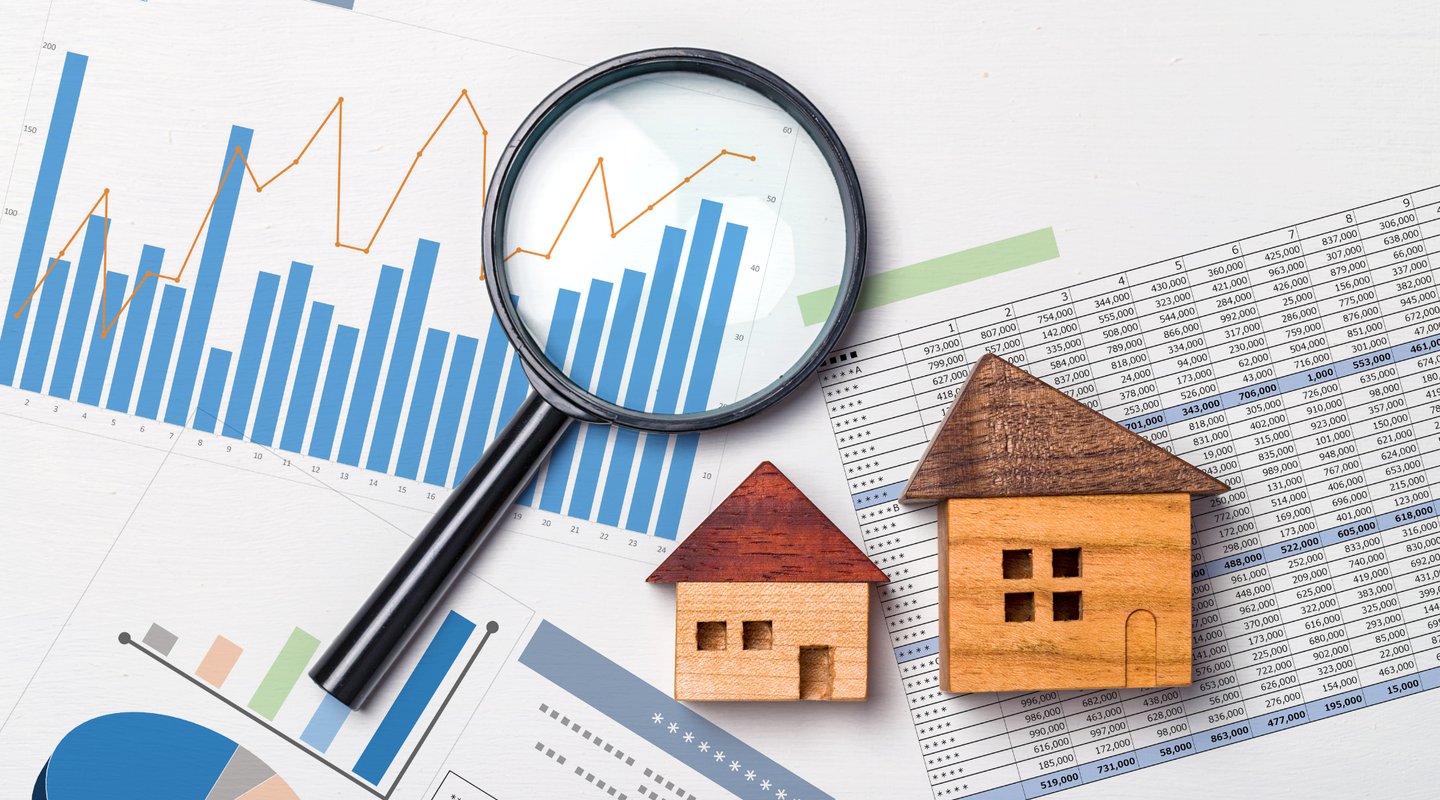
KPIs for real estate are numerically measurable metrics that help in the analysis of brokers' business performance, efficiency, and success. Real estate KPIs assist in making data-driven decisions, allocating resources efficiently, and meeting sales targets.
Several factors influence the real estate market, including economic conditions, interest rates, government regulations, and market trends and these fluctuating changes in the market can cause challenges for agents and brokers alike. As a result, companies must always find new ways to stay competitive and improve their market position.
The Importance of KPIs for Real Estate
Tracking real-estate KPIs will bring enormous benefits to whatever area of real estate you focus on whether you are investing or selling. Having a set of fixed real estate KPIs will help throughout the entire property management process, starting from an initial phone call to actually maintaining a property.
KPIs for real estate also help you keep on top of your revenue, return on investment, commissions and more. KPIs are also there to improve the performance of your team and identify areas for improvement. By using KPI for benchmarking, real estate companies can evaluate their performance, stay updated with industry trends, and set realistic sales targets.
There are so many KPIs in the real estate world that it might seem overwhelming at first. In this list, we've included KPIs for both real estate agents and real estate investors. Keep reading to improve your real estate operations!
1. Sales Volume
Sales volume and revenue play a crucial role in all industries, and real estate is no exception. It is the most important indicator for evaluating financial performance and sales processes. You can choose what you want to track when evaluating sales performance.
This KPI can be divided into 2 parts: monetary value and sales channels. Monetary value can be evaluated by counting the total value of properties, the number of properties listed, and the price. On the other hand, you can track which activity brings the most revenue for a real estate agency, for example:
- Renting
- Property sales
- Leasing
- Investing
- Financing activities
- Extra services
By tracking this KPI, your real estate company can evaluate the team's strategy. This assesses a sales agent's ability to generate sales, track sales goals, and meet the expectations of their clients. Assess where the sales team is strong and where improvements can be made, so it will lead to being a market winner!
2. Appointment-to-Listing Conversion Rate
For every business, it is vital to track successful sales. However in order for agents to maximize sales, they first have to make sure that they have ample properties listed. The appointment to listing conversion rate KPI provides insights into the percentage of appointments with potential sellers an agent or team makes that result into official listings.
This KPI is key to the seller side of the real estate business. This metric will not only show if your team is on track with its listing targets, but also offer insight into how successful your team is with building relationships.

Build your first dashboard.
Start your 14-day free trial today
3. Commission Rate per Sale
Commissions are an important motivator for real estate agents to perform well regardless of the size of the sale. Commissions have a big impact on their pay because they have the potential to earn sizable amounts of money, and it gives the agents ownership.
This KPI for real estate can track the performance of your team and also compares different agents' results. By tracking data daily, you can become a helpful hand for those who need some assistance and increase enthusiasm for top performers.
4. Appointments Booked
The more potential buyers your sales agents bring in for appointments, the more likely it is that they will become actual buyers. It is a critical metric for tracking your team's progress in the sales process in order to meet sales targets.
You can track how many leads are becoming aware of and interested in a property and analyze the sales agent’s efforts toward acquiring potential buyers. Attracting new customer leads can be challenging and require lots of dedication and motivation.
However, a lower number of appointments does not always imply a lower sales possibility. Maybe your team needs to increase the number of calls in order to reach prospects? Maybe you need to improve your negotiation skills and adjust the price? By monitoring this KPI, you can easily analyze and make decisions to improve the appointment ratio!
5. Time on Market
Time is an essential factor in sales, and whoever makes the correct decision becomes a leader. The Time on Market KPI tracks the average number of days it takes for a property to be sold. This KPI can create a chain reaction: more days the property stays available, less space for negotiations, and a lower commission rate for brokers.
You can investigate market trends and customer preferences and see if your sales agents need to improve their pitching or showing skills. This will help improve your sales agents' performance and make sales faster!

6. Number of Properties Acquired
This KPI shows the number of properties acquired by the acquisition team within a given time period. The number of properties acquired shows the acquisition team's performance and effectiveness, which allows them to predict future strategies and set achievable targets.
In order to get the full value of this KPI, a real estate company should get all records of all properties acquired, including the date of acquisition, the cost of acquisition, the return on investment (ROI), and the time taken to close the deal.
Acquiring this information will allow you to identify market trends, evaluate performance, and improve the decision making process for your team!
7. Cost of Acquisition
The cost of acquisition is the total cost of purchasing a property. Examples of costs include the purchase price, fees, closing costs, commission, insurance, and administration costs.
Evaluating this KPI can bring enormous benefits to your organization, such as evaluating financial performance, adjusting budget costs, and benchmarking with market trends. Overall, the cost of acquisition KPI can improve financial decisions and maximize ROI.

8. Return on Investment (ROI)
Return on investment (ROI) KPIs for the real estate industry measure the profitability of any investments. This metric helps to evaluate the success of the investment and determine if you and your team are achieving a competitive return on your investments.
By monitoring the ROI metric, you will be able to compare current with past investments, to set further investment goals and make necessary adjustments. The better ROI then the better shape your investments are likely to be in.
9. Time to Close
For achieving the best results, the acquisition team also needs to track the time it takes to complete the purchase of investments. Generally, time plays a crucial role in real estate, and not meeting certain deadlines can have a knock-on effect.
Tracking the time it takes to close a deal will aid in the improvement of your future acquisition strategy. Acquisition teams can improve their performance by empowering teamwork and developing the skills required for success.
10. Operating Expense Ratio
Owning lots of properties doesn’t measure high profitability for real estate organizations. For this reason, you need to evaluate the relationship between a property’s operating expenses and its actual income. Monitoring this rate will improve property management and effectively evaluate how you can manage property expenses.
Operating Expense Ratio will help to allocate your resources and make cost-saving decisions. While acquiring new properties, having a historical overview of previous operating expense ratios will help make proper decisions and help to avoid old mistakes.

Motivate Your Agents to Perform Better by Having a Sales Contest!
With Plecto you can create a positive company culture that will help your employees reach their full potential! Celebrate success and recognize achievements by adding your real estate KPIs to Plecto dashboards!
Once you have your KPIs set up, you can create a culture of healthy competition by introducing sales contests! You can customize your sales contest in some different ways by adding different rewards and personalizing it with different themes! It will turn your team’s ordinary day into an extraordinary one and will undoubtedly increase motivation.
Still Thinking About Plecto?
Grab a 14 day free trial and check out all the features that will boost your performance. We promise that tracking real-time KPI data and additional features will boost your real estate operations!


IVETA BALTRUKENAITE
Content Writer