
Global Card Processors vs. Local Acquirers: What Changes When You Enter Challenging Markets

Global Card Processors vs. Local Acquirers: What Changes When You Enter Challenging Markets
Expanding into a new country can look straightforward from a sales dashboard. The pipeline is growing, deals are closing and the forecast is healthy. Then finance checks the actual money collected and finds that the numbers do not quite match. Some payments have failed, settlement is taking longer than expected and the team is spending more time dealing with exceptions than anyone anticipated.
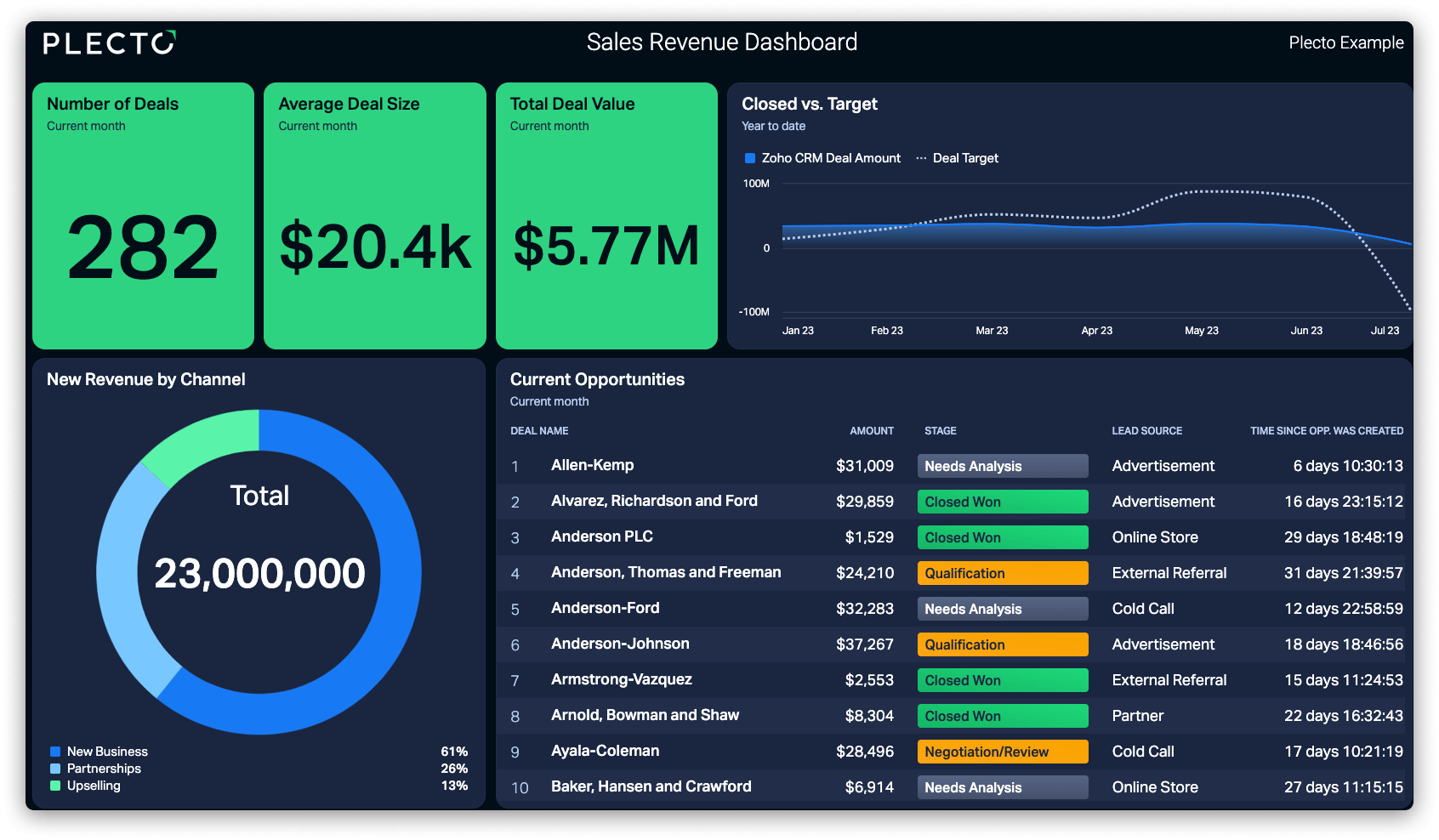 Build your own
This does not necessarily mean customers have changed their minds. Payment infrastructure can behave very differently from one market to another, even when the product, pricing and sales process remain the same. Local banking systems, payment preferences, regulations and customer expectations can all influence what happens after a customer decides to buy.
Germany and India are useful examples, although for very different reasons. Germany is a relevant market for many Western businesses, but companies can still encounter differences in digitalisation, workplace structures and language. India has a much more distinct payments landscape, particularly because of the importance of UPI. Both markets show why international businesses sometimes need to look beyond a global payment setup and understand what is happening locally.
Global Processing and Local Acquiring Are Not Quite the Same Thing
The distinction between cross border processing and local acquiring sounds technical, but it has a direct impact on the customer payment experience.
Imagine a customer in Mumbai paying a company whose payment processor is registered in Ireland or the United States. The customer is using an Indian card, but the transaction is being processed as a payment to a foreign merchant. That can influence how the issuing bank assesses the transaction.
With local acquiring, the payment is routed through an entity licensed and settled within the local market. From the issuer's perspective, it looks more like a domestic transaction. The customer has not changed, and neither has the amount being charged, but the route taken by the payment is different. That difference can affect authorization, settlement, payment methods and the amount of reconciliation work required afterwards.
Germany Shows That Local Challenges Are Not Limited to Emerging Markets
Germany is an interesting example because it is a highly relevant Western market, yet international companies can still encounter local friction. Digitalisation has developed differently across parts of the German economy, business structures can be relatively formal and decision making may involve established workplace hierarchies. Language can also remain a practical consideration when companies are building relationships with local customers, partners and teams.
These differences do not stop a business from selling in Germany, but they can make it harder to understand why a market is performing differently from other regions. Sales may see a healthy pipeline while finance is dealing with slower collections. This is one area where Plecto can help by bringing sales, revenue and operational information into a shared dashboard.
India Makes the Payment Side of the Problem More Obvious
India presents a very different challenge. Cards remain important, but they are not the only payment method customers expect to use. UPI has become a central part of everyday digital payments, which means international companies cannot assume that a card first checkout will work as well in India as it does in markets where cards dominate.
UPI accounted for roughly 85% of India's digital payment transactions by volume in FY 2025 to 26. That figure includes a large number of frequent, low value payments, so it should not be treated as the expected mix for every type of business. It does, however, show how different India's payment environment can be from many Western markets.
Global processors have increasingly added UPI support, but supporting a payment method is not quite the same as designing the payment experience around it. If customers in a particular segment strongly prefer UPI but the checkout puts most of its emphasis on cards, the resulting drop in conversion may be blamed on demand when the real issue is the payment experience.
Authorization Can Have a Direct Impact on Revenue
Authorization rate is one of the clearest places to start when trying to understand payment performance. Industry sources put domestic card decline rates in the region of 1% to 5%, compared with around 15% to 25% for cross border transactions. Adyen has also reported authorization improvements of approximately 5 to 12 percentage points for merchants moving from cross border to local acquiring in markets including India, Brazil and Mexico. These figures come from payment providers rather than independent industry bodies, so they are best treated as directional benchmarks rather than universal numbers.
Even a smaller difference can become significant at scale. If a company is achieving a 94% authorization rate in Europe but only 78% in India, sixteen percentage points of attempted payments are not making it through.
If India represents only a small share of total transactions, its weak performance can disappear inside a healthy global authorization number. Breaking the data down by market makes the problem much easier to see. Plecto can help put that market level information alongside revenue and sales metrics, rather than leaving payment performance inside a separate reporting environment.
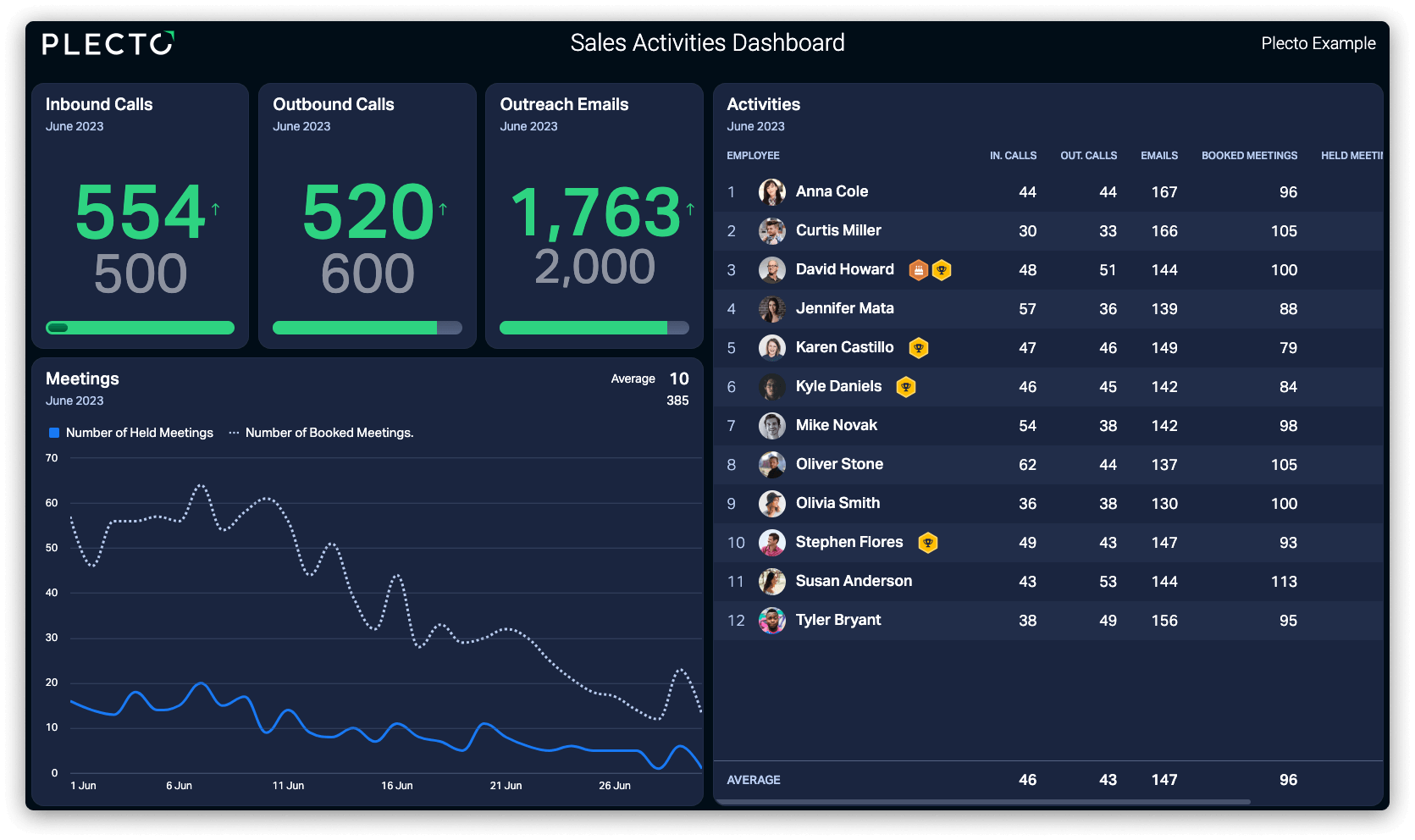 Build your own
Payment Preferences Also Change from Market to Market
Payment method mix is another area where international teams can make assumptions. Cards may dominate in one country while local bank based methods or alternative payment rails are much more common somewhere else. The important question is therefore not simply whether a processor supports a particular method, but whether customers actually use it and whether those payments succeed.
Suppose a company finds that card attempts account for most failed payments while UPI transactions have a much higher success rate. That tells a very different story from simply looking at the overall checkout conversion rate. It suggests that customers are willing to buy, but the payment route may be creating unnecessary friction.
This is also why payment reporting needs some context. A number sitting inside a payment provider's dashboard may tell finance that failures have increased, but connecting that number with sales and revenue data gives the wider team a better understanding of the commercial impact.
Settlement Affects Cash Flow Too
Getting a payment approved is only part of the process. The business still has to receive and use the money.
Cross border settlement can involve authorization, capture, settlement, currency conversion and payout. Depending on the processor and payment corridor, that can mean waiting a week or longer before the funds become usable. Domestic settlement in India generally operates on a next day cycle, while some local providers offer instant settlement as an additional service.
For some businesses, a few extra days may not be particularly important. For a smaller company using incoming revenue to pay suppliers, purchase inventory or fund marketing, the same delay can have a noticeable effect on cash flow.
Recurring Payments Introduce Another Set of Considerations
Subscription companies have to think about what happens after the first successful transaction. A recurring payment model that works smoothly in one market may encounter additional requirements in another.
India's recurring payment environment operates under an RBI e mandate framework covering cards, prepaid instruments and UPI for domestic and cross border transactions.
For a subscription business, a failed renewal should not automatically be treated as customer churn. It could be related to a mandate, authentication or payment method issue.
Global Processor or Local Acquirer?
There is no simple answer because the right setup depends on the market, transaction volume and the economics of payment failures.
A global processor has obvious advantages. Companies can maintain one integration, one primary provider relationship and a more consistent reporting structure across markets. Local acquiring adds another provider and potentially another integration, which creates additional operational work.
The trade off is that local acquiring can improve payment performance in markets where cross border processing creates significant friction. For a small market, that improvement may not justify the extra complexity. For a country that has become an important source of revenue, the calculation can be very different.
| Global processor, cross-border | Local acquirer, domestic | |
|---|---|---|
| Typical decline rate | 15–25% | 1–5% |
| UPI support | Increasingly available, cards-first architecture | Native, primary rail |
| Settlement | Days, plus FX conversion | Next-day standard; instant available as an add-on |
| Contract and integration | One global contract, one integration | Additional vendor, additional integration |
| Recurring payments | Cross-border e-mandate rules apply | Domestic e-mandate rails, better-supported tooling |
| Reporting | Unified with your other markets | Separate reconciliation, second data source |
| Local methods beyond UPI | Limited | Net banking, wallets, EMI, COD handling |
| Best when | India is a small share of a global book | India is a growth market you are committed to |
Note: The table should be treated as a starting point rather than a universal rule. Payment performance varies by business, transaction type and provider, and published pricing can change.
 Read POS Nation's Story
Who Are the Players?
There is no shortage of payment providers that can support businesses operating in India, but they do not all approach the market in the same way. Global providers such as Stripe, Adyen and Checkout.com can make sense for companies that want to keep their payment infrastructure relatively consistent across several countries. Adyen, for example, has received authorization to operate as an online payment aggregator in India, giving multinational merchants the option of local acquiring while keeping a global relationship and integration.
India also has a well established group of local providers. Cashfree Payments, Razorpay and PayU are among the names international and domestic businesses are likely to come across when evaluating the market. Their offerings are not identical, so comparing them only on the transaction fee can give a rather incomplete picture.
Cashfree Payments focuses on payment infrastructure and money movement and also offers instant settlement options. Cashfree received RBI authorization for cross border payment aggregation in 2024 and supports international collections across multiple currencies and markets. Razorpay has built a broad payments and financial services platform, while PayU has been operating in the Indian payments market for many years.
The Cheapest Transaction Is Not Always the Cheapest Payment
Payment fees are usually the easiest number to compare. Put the rates from three or four providers into a spreadsheet and the difference is immediately visible. The harder part is working out what those rates mean once failed payments, settlement delays and currency conversion enter the picture.
A simple way to look at it is to calculate the total payment cost against successful transactions rather than attempted transactions. It is not a perfect measure, but it gives finance and commercial teams a much better starting point for comparing payment performance across markets.
Payment Data Needs Some Context
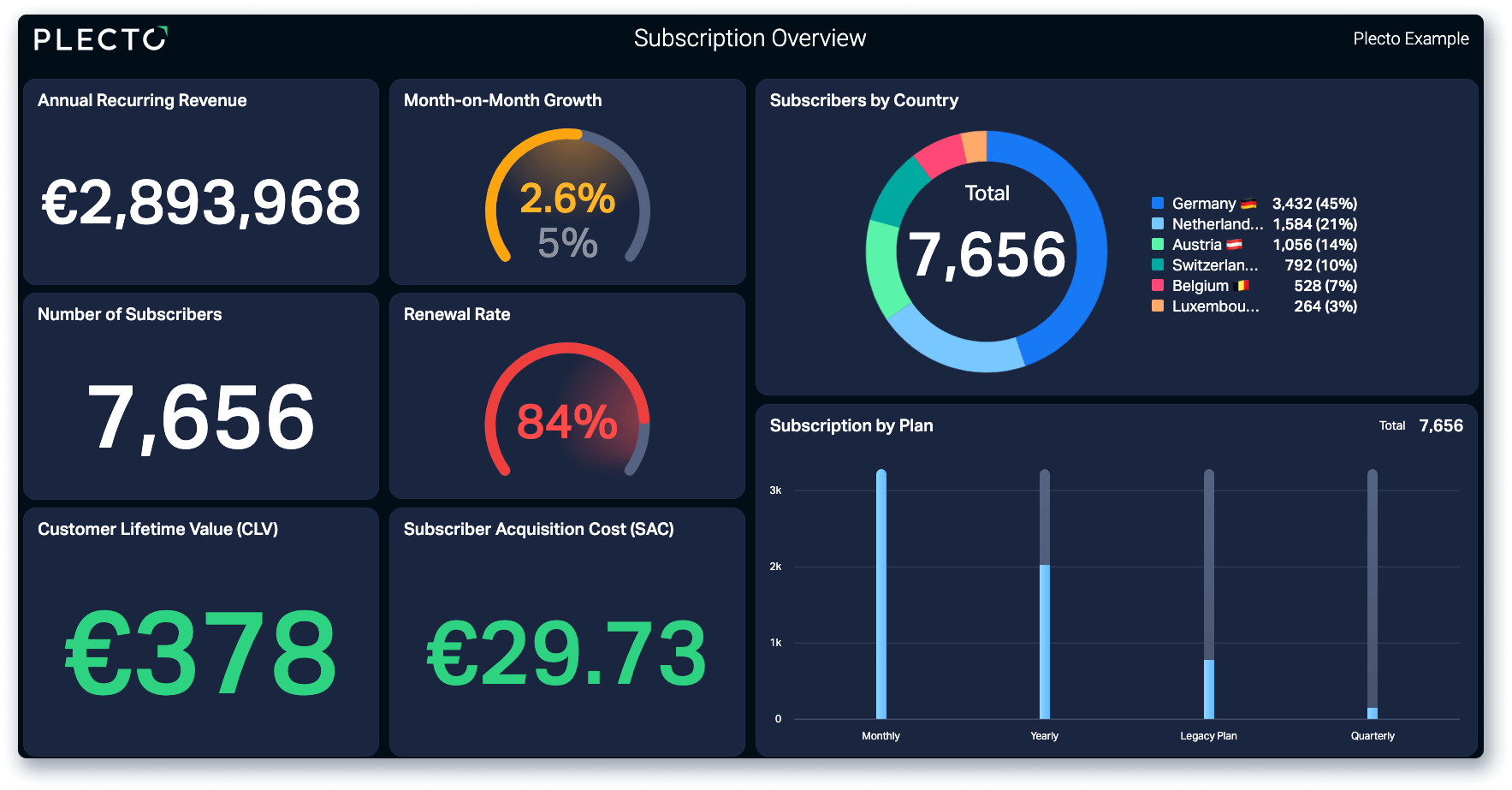
A payment dashboard can tell you that authorization has fallen. A CRM can tell you that the sales pipeline is growing. Finance can tell you that collections are behind forecast. All three teams may be right, but someone still needs to connect those pieces.
 Build your own
That is one of the reasons Plecto is relevant to this discussion. Plecto can bring different business data sources into dashboards that sales and management teams can use to follow performance. Payment data does not have to sit in isolation from revenue, sales activity or other commercial numbers.
Do You Actually Need a Local Acquirer?
Not every company does.
If a country is responsible for a small percentage of total sales, adding another payment provider, negotiating another contract and maintaining another integration may create more work than it is worth. A global processor can be perfectly reasonable while the company is still testing the market.
The calculation changes when the market becomes important to the business. If payment failures are happening at scale, customers are asking for local payment methods or settlement is creating cash flow problems, it becomes much easier to justify looking at local acquiring.
The Bigger Point for Companies Expanding Internationally
Payment infrastructure is easy to think about as a technical decision. Pick a provider, connect the API and move on to the next market. In practice, the payment setup can have a much wider effect on the business, particularly once transaction volumes start growing.
Germany and India are very different markets, but they make the same point in different ways. Local expectations matter. The way customers pay matters. Settlement matters. And the numbers coming from the payment system can tell you something about the health of the wider business.
That does not mean every international company needs a local acquirer in every country. It means the decision should be based on what is actually happening with the transactions. If authorization is strong, customers are using the available payment methods and settlement works well, there may be little reason to add another layer of infrastructure.
And this is where having a broader view of the business becomes useful. Plecto can bring sales, revenue and other operational metrics together so teams are not trying to understand a market through a single payment dashboard. The payment provider handles the transaction itself. Plecto helps teams see how those transactions fit into the larger commercial picture.
For a company deciding whether a market needs local payment infrastructure, that distinction can save a lot of guesswork.
FAQ
Frequently asked questions
No. The answer depends on the payment structure and the provider being used.
Not at all. Local acquirer can be useful when a market is large enough to justify the additional infrastructure.
It is fairly common for international businesses to work with multiple acquirers or processors.
Some changes can appear quite quickly once transactions begin going through the new route.
No. Transaction fees matter, but authorization, payment methods, settlement, FX costs and operational complexity also matter.
Start your 14-day free Plecto trial today.
Enjoyed the article? Share it:


LAURA GREENE