 Sign in

What Is a Sales Cycle? Stages, Length and How to Shorten It
What is a sales cycle? Learn the 7 stages, how to calculate sales cycle length, what slows it down and 9 ways to shorten it, with a worked example.
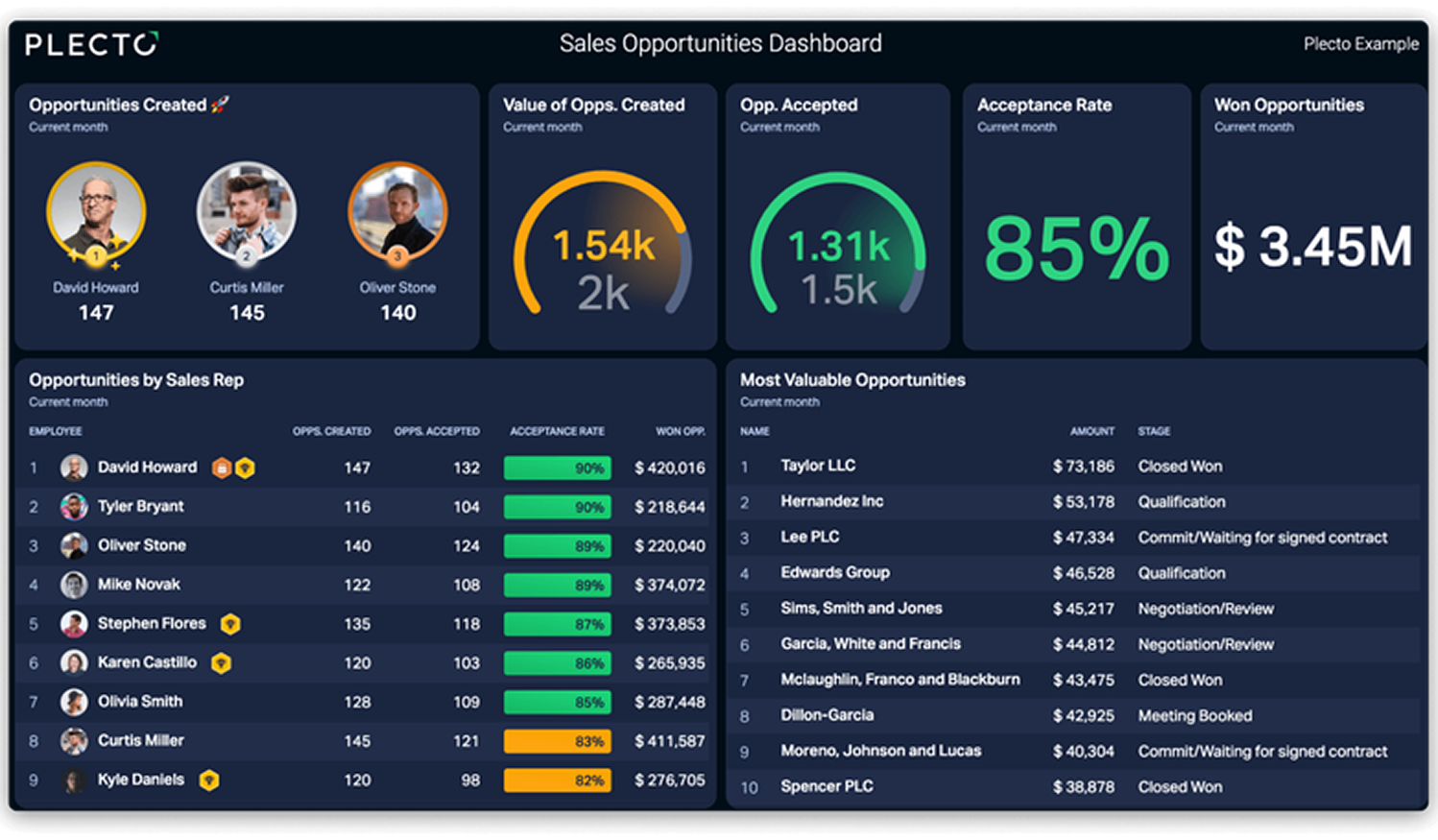
Your sales cycle is the clock that sits behind every forecast. It decides how soon a new lead becomes revenue, how many deals a rep can carry at once and how long a hiring decision takes to pay back. This guide explains what a sales cycle is, walks through the seven stages with an exit criterion and metric for each, shows how to calculate sales cycle length, and lists nine ways to shorten it. For the pipeline view of the same deals, see our guide to the sales pipeline.
What is a sales cycle?
A sales cycle is the repeatable series of steps, and the time they take, that a company goes through to turn a prospect into a paying customer. It starts when you first identify or engage a potential buyer and ends when the deal is closed, won or lost. The elapsed time between those two points is the sales cycle length.
Two things are bundled into the term. One is the sequence: prospecting, qualifying, presenting, closing and so on. The other is the duration: a sales cycle can be a single phone call or eighteen months of meetings, depending on what you sell and who buys it.
Where a team starts the clock matters. Some count from the first touch, others from when an opportunity is created in the CRM. Both are valid. Pick one definition, write it down and apply it to every deal, or your numbers will not be comparable across reps and quarters.
Sales cycle vs sales process vs sales pipeline
These three terms are often used as if they were one thing. They describe different views of the same work:
| Term | What it describes | Question it answers |
|---|---|---|
| Sales cycle | The stages a deal goes through and how long it takes from first contact to close | How long does it take to win a customer? |
| Sales process | The playbook: what reps should do, say and send at each stage | What should a rep do next? |
| Sales pipeline | The live list of open deals, by stage and value | How many deals do we have and what are they worth? |
In short, the cycle is the time dimension, the process is the instruction manual and the pipeline is the inventory. If you want the inventory view, read our sales pipeline guide. To see how cycle length combines with deal count, deal size and win rate, read about sales velocity.
The 7 stages of the sales cycle
Most teams use some version of seven stages. Names differ, and short transactional sales skip or merge steps, but this is a solid starting point. Each stage should have an exit criterion, the specific event that lets a deal move on, so reps do not advance deals on a hunch.
| Stage | What happens | Exit criterion | Metric to watch |
|---|---|---|---|
| 1. Prospecting | Reps or marketing identify people and companies that could buy. | A prospect fits your ideal customer profile and is contacted. | New qualified leads per week |
| 2. Connecting | First outreach by email, phone or social, or the prospect's own inquiry. | The prospect replies or books a call. | Response rate, lead response time |
| 3. Qualifying | The rep checks need, budget, timeline and who decides. | The prospect meets your qualification criteria. | Lead-to-opportunity rate |
| 4. Discovery and presentation | The rep uncovers the problem in depth, then demos the solution against it. | The prospect confirms the problem and asks for a proposal. | Demo-to-proposal rate |
| 5. Proposal and objections | A tailored offer is sent and concerns on price, risk or timing are handled. | Objections are resolved and the buyer is reviewing terms. | Days in stage, proposal win rate |
| 6. Closing | Terms are agreed, the contract is signed or the deal is lost. | Signed contract, or an agreed closed-lost reason. | Win rate, average deal size |
| 7. Follow-up | Onboarding, check-ins, upsells and referral requests. | Customer is live and has been asked for a referral. | Time to first value, referrals per customer |
The first three stages are about finding the right buyer. Stages 4 and 5 are where most time is spent in a complex sale. Stage 7 is easy to forget, but referrals and expansion deals usually have the shortest cycles of any you will run.
How to calculate sales cycle length
Sales cycle length is the average number of days it takes to close a deal. The formula is simple:
Sales cycle length = total days across closed deals ÷ number of closed deals
For each deal, subtract the start date from the close date, add the results and divide by the number of deals. Use the same start point for every deal and measure over a fixed period, such as a quarter.
Sales cycle length example
Take five deals closed last quarter (fictional numbers):
| Deal | Days from opportunity created to close |
|---|---|
| A | 22 |
| B | 35 |
| C | 41 |
| D | 48 |
| E | 214 |
The average sales cycle is (22 + 35 + 41 + 48 + 214) ÷ 5 = 72 days. But four of the five deals closed in 48 days or less. The median, the middle value, is 41 days.
Average vs median sales cycle
One slow deal drags the average far above what a typical deal looks like. That is why you should track the median alongside the average, and look at the outliers on purpose: why did deal E take seven months? If the answer is a one-off legal review, the average overstates your normal cycle. If it is a pattern, you have found a process problem.
Also decide how to treat lost deals. Won-only cycle length tells you how long it takes to win. Including lost deals tells you how long you spend on deals that go nowhere, which is often the more useful number for coaching. For the KPI definition and its place alongside other sales metrics, see average sales cycle length.
What makes a sales cycle longer or shorter
Cycle length is rarely a rep problem alone. These factors set the baseline:
- Deal size: bigger commitments get more scrutiny, more approvals and more procurement steps.
- Number of decision-makers: every extra stakeholder adds meetings, objections and calendar delays.
- B2B vs B2C: consumers decide alone and quickly, while businesses decide as committees.
- Inbound vs outbound: inbound leads have already shown interest, so they usually move faster than cold outbound prospects.
- Product complexity: if the buyer needs a trial, integration planning or security review, the cycle stretches.
- Switching cost: replacing an existing tool means migration, training and risk, so buyers take longer.
- Seasonality and budget cycles: deals can stall until the next budget period or fiscal year.
Typical ranges follow from these factors. A low-priced, self-serve product can close in days. A mid-market B2B sale commonly takes weeks to a few months. Large enterprise deals with procurement and legal review can run past a year. Published averages vary widely by industry and source, so use them as context and benchmark against your own history first, split by segment.
The B2B sales cycle
A B2B sales cycle is longer and more layered than a consumer one because the purchase is a business decision. Several people are involved, each with a different concern: the user cares about workflow, the manager about results, finance about cost and IT about security.
That changes how reps should work:
- Map the buying group early. Identify the champion, the economic buyer and any blockers in the first two stages, not the last two.
- Expect a security, legal or procurement step and ask about it during qualification so it does not surprise you at the proposal stage.
- Keep multiple threads alive. A deal that depends on a single contact stalls when that person goes on leave.
- Agree on a mutual plan. A shared timeline with dated next steps keeps both sides honest about when a decision will be made.
A B2B sales cycle also has more places to lose time, which is why tracking days per stage matters more than the total alone.
9 ways to shorten your sales cycle
- Tighten qualification. Spend rep time only on prospects with a real need, budget and timeline. Weak leads lengthen the average without ever closing.
- Respond to inbound leads fast. Speed to first contact is one of the cheapest improvements available. Track lead response time and make it visible.
- Involve decision-makers early. Ask in the first call who else needs to be convinced, and get them into the conversation before the proposal.
- Use the buyer's preferred channel. Some prospects live in email, others answer only the phone. Follow their lead.
- Arm reps with ready-made content. Case studies, a pricing explainer, a security summary and an ROI template answer objections without waiting for internal approvals.
- Set a next step in every conversation. Every open deal should have a dated next action. Deals without one are the ones that drift.
- Simplify the offer and the paperwork. Standard packages, e-signature and pre-approved contract terms remove days from the close.
- Find the slowest stage and fix it. If deals sit for weeks between proposal and decision, coach on objection handling or add a deadline-driven reason to decide.
- Coach on the numbers. Review cycle length by rep in one-on-ones. Reps with faster cycles often do something specific you can teach.
Shortening the cycle should not mean pressuring buyers. If the win rate drops while cycle length falls, you have rushed deals you would have won anyway. Always read the two metrics together.
How to track sales cycle length on a dashboard
You cannot improve what you only see at quarter end. Your CRM already holds the dates you need, so the job is to make them visible while deals are still open. A good sales cycle dashboard shows:
- Average and median cycle length for the period, with last period alongside.
- Days in each stage, to find where deals stall.
- Cycle length by rep, so coaching targets the right person.
- Cycle length by segment and deal size, so a few large deals do not hide the pattern.
- Aging open deals, meaning deals that have been open longer than your typical cycle.
Plecto connects to your CRM, including Salesforce, HubSpot and Pipedrive, and pulls deals into real-time dashboards. Calculated fields can use DateDiff on two date fields, for example created date and close date, to turn them into a duration you can average, split by rep or segment and put on a team screen. Plecto also adds contests so reps have a reason to keep their deal dates current.
Cycle length is one of many numbers a sales leader reviews. For the wider set, see our lists of KPIs for sales managers and 21 sales KPIs.
Conclusion: measure your sales cycle, then work on it
A sales cycle is only useful if you measure it consistently. Define where it starts and ends, track the median as well as the average, and break it down by stage, rep and segment. Then fix the slowest stage first. To put those numbers on a live screen for your team, explore Plecto's sales dashboards.
Questions
Sales cycle FAQs
A sales cycle is the series of steps a company follows, and the time it takes, to turn a prospect into a customer. It runs from the first contact or identified lead to a closed deal, won or lost. The elapsed time between those two points is called sales cycle length.
The sales cycle is commonly split into seven stages: prospecting, connecting, qualifying, discovery and presentation, proposal and objection handling, closing, and follow-up. Names vary by company, and short sales may merge steps. Each stage works best with a clear exit criterion that tells a rep when a deal can move forward.
Add up the number of days each closed deal took, from a fixed start point such as opportunity creation to the close date, then divide by the number of closed deals. Also report the median, because one unusually slow deal can pull the average far above what a typical deal looks like.
There is no universal good number. It depends on deal size, number of buyers, industry and whether the lead is inbound. A self-serve product may close in days, a B2B sale in weeks or months. Compare your own cycle over time and by segment, and read it alongside win rate.
The sales process is the playbook that tells reps what to do at each step, such as which questions to ask and which materials to send. The sales cycle describes the journey a deal takes through those steps and how long it takes. You design the process, and you measure the cycle.
B2B purchases usually involve several decision-makers, larger budgets, and security, legal or procurement reviews. Each adds meetings and approval time. B2C buyers typically decide alone, with less risk and lower cost, so they can move from interest to purchase in a single visit or call.
Start your 14-day free Plecto trial today.
Enjoyed the article? Share it:


