
Modern Sales Gamification: Shifting from Individual Competition to Team Quests

Modern Sales Gamification: Shifting from Individual Competition to Team Quests
Picture this:
Your sales team members are competing against each other. They strive for their very best to achieve the set goals and hit difficult targets, hoping to earn the much-coveted rewards and recognition they so deserve.
The problem? While some get recognized and celebrated for their achievements, others end up feeling inferior and pressured to do better next time. This begs the biggest questions: Are your team members truly successful at selling? And does your entire team truly succeed?
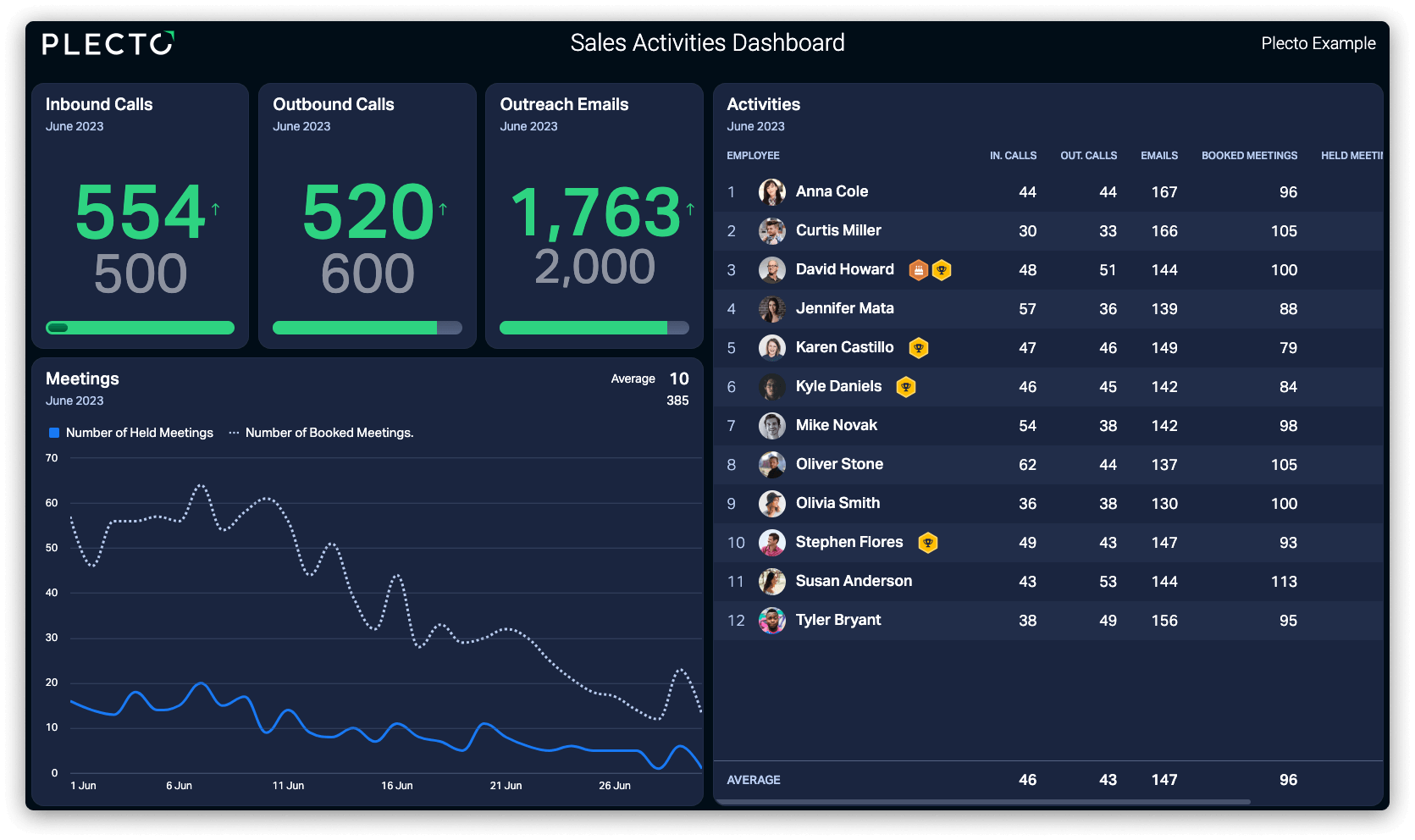 Build your own
For years and years, sales performance entailed setting leaderboards and solo targets. Apparently, a winner-take-all mindset. The goal was simple: turn sales into a game, where team members would play to win!
In the early days, all those made sense: dashboards were clunky and static, and teams were running on pure competitive energy. However, sales have changed: buying committees are bigger, and sales cycles are longer.
That’s why success looks more like a relay now than a solo sprint. Which means? The old game doesn’t quite fit anymore.
Don’t worry; This page tackles modern sales gamification to help your team shift from individual competitions to team quests. Read on to learn how to design and implement this while weighing its pros and cons. Let’s go!
Traditional vs. Modern Sales Gamification
Understanding Traditional Individual Competition
When it comes to sales, the traditional model used to take the spotlight: individual competition. But even up to this day, it remains the performance model for most companies or organizations.
Think of leaderboards, individual quotas with SPIFFs attached, trophy emails with a single name in lights, and awards and perks for top performers. These are the familiar mechanics.
Here’s the thing: They create urgency, especially near month-end. They also trigger social comparison. While this can boost employee motivation for some reps, it creates pressure and increases anxiety for others.
Psychology is really complicated. While competition can bring out the best in some people, it can bring out the worst in some. An overreliance on extrinsic rewards has been linked with drops in intrinsic motivation. That happens when the contest ends and/or the reward disappears.
- Self-determination theory reinforces the abovementioned: controlling rewards can undermine intrinsic drive in certain contexts.
Meanwhile, gamification can work. For the most part. Just not universally.
- A well-cited review revealed the truth: outcomes are highly context-dependent, and design quality matters a lot.
The human cost also lingers: chronic stress and burnout show up quickly in high-pressure workplace environments.
-
WHO classifies burnout as an occupational phenomenon due to chronic workplace stress that hasn't been successfully managed.
-
Gallup also tracks record-high workplace stress, showing a strong relationship between engagement and retention.
This matters go beyond sales teams.
Learn from Grant Aldrich, Founder of Preppy. He sees a similar challenge in how organizations motivate people to perform.
In online education, he claims that self-paced learners are especially prone to comparison-driven burnout. He notes that regular competition can take attention away from long-term growth.
Aldrich says, "When every performance challenge is about being number one, people can lose sight of real learning and constant improvement. Sure, competition can create a quick boost. However, lasting performance comes from giving people the reasons to keep growing and contributing."
His point applies to sales gamification as well. Leaderboards can motivate top performers. However, they could leave others feeling like they're always losing. Over time, that can discourage knowledge sharing and true teamwork.
Exploring Modern Team Quests
Team quests do more than meets the eye. Why? They reframe the "game" from who wins to how we win together. Rather than rewarding a single hero, they set a shared goal for the team.
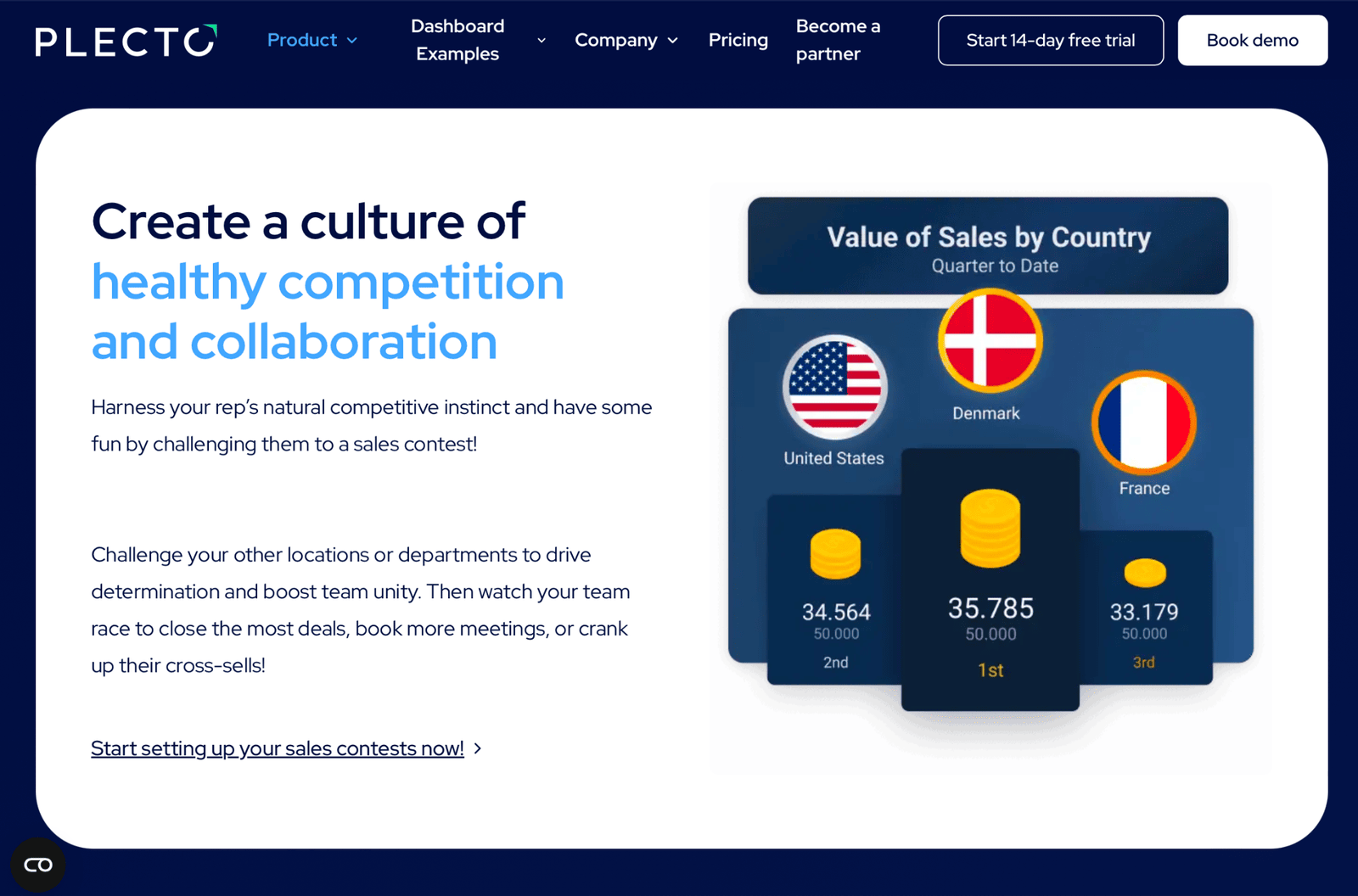
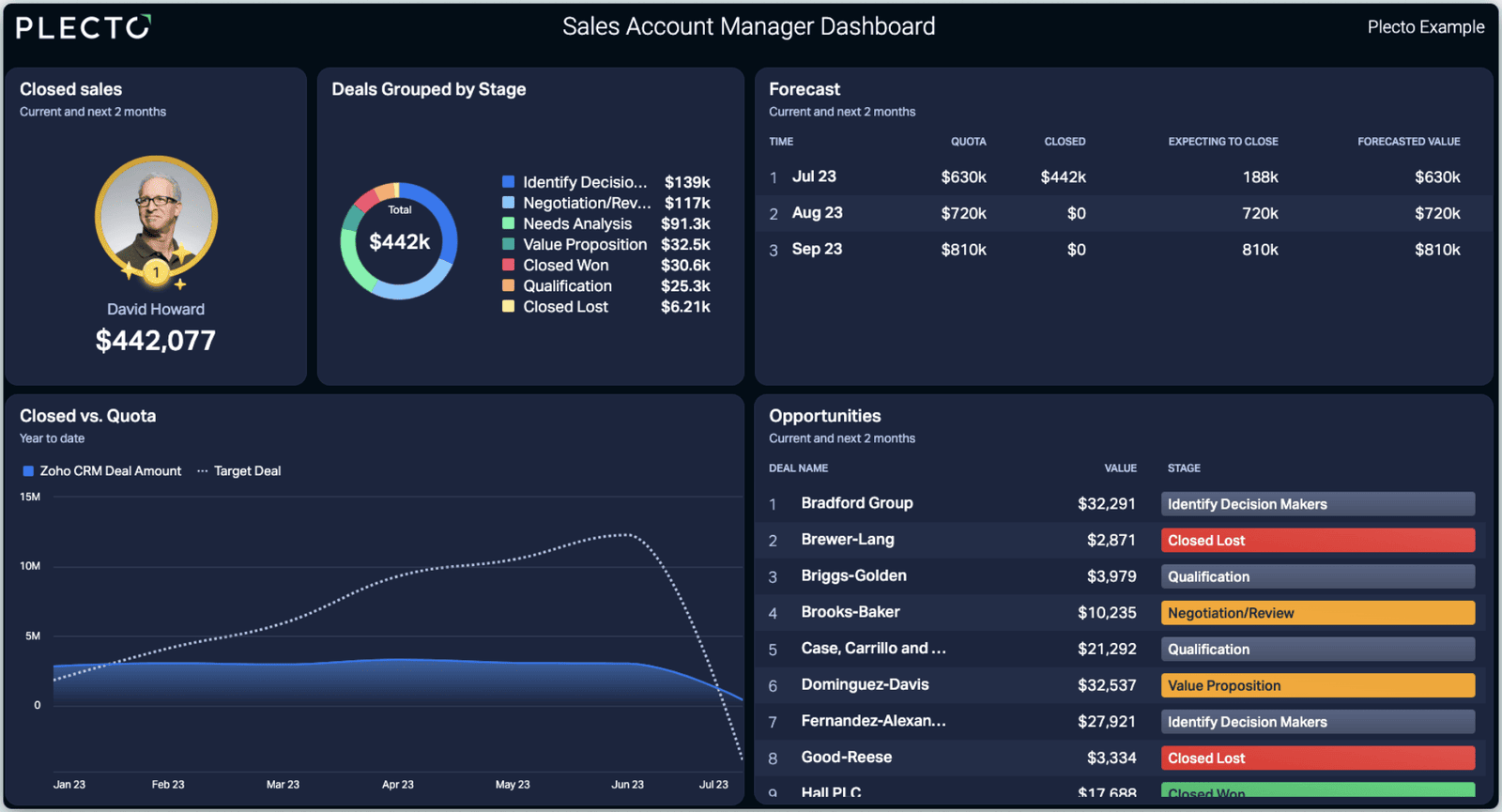
From there, they attach rewards to group outcomes. Take Plecto’s sales contest, for instance. See how they create a culture of healthy competition and collaboration through sales team gamification below.
So, you might ask: why the shift?
Collaboration is how modern sales deals get done. But it takes into consideration the following:
-
Buying committees expect depth from multiple roles.
-
Mental health and well-being matter more than they used to.
-
Teams want to sustain performance without constant adrenaline.
-
Technology makes communication and coordination much easier and faster.
This shift is also relevant in education and technology.
Take it from Vladyslav Sokol, CEO of Academy Smart. He sees the value of bringing people together around shared goals.
His work in education and tech rolled into one highlights this. He demonstrates how collaboration can help teams share knowledge and work toward better outcomes.
Sokol explains, "When people work toward a shared goal, they become more willing to exchange ideas and learn from what works. Here, the goal isn't to remove competition completely but to make sure it doesn't get in the way of progress."
 Build your own
The same idea applies to sales. If you've ever watched a team swarm an opportunity, you've seen the basic shape of a team quest. For example:
-
Account executives (AEs) partnering with SDRs to warm up stakeholders
-
Sales executives (SEs) jumping in with a crisp demo
-
Custom success (CS) reps sharing relevant proof points
But the ultimate difference in any company or organization? Making that collaboration intentional, purposeful, measurable, and celebrated.
How to Shift from Individual Competition to Team Quests
Good intentions don't carry a quest. Design does. But it has to start with clarity and purpose. A great team quest starts with a goal everyone understands and a role everyone can own.
Here’s a perfect example:
An e-commerce brand selling blank apparel could create a team quest around improving product launches. It works this way:
-
The marketing team could drive traffic.
-
The sales team could follow up with wholesale buyers.
-
And customer service could gather feedback on new products.
This shared goal is to increase qualified orders by a set percentage within 30 days. This gives everyone a clear role while keeping the team focused on one measurable outcome.
If you make the challenge too easy, people disengage. Too hard, and they give up. The sweet spot? A stretch goal that ladders directly into the company's mission. Paired with rewards that feel earned by the whole group. Not just claimed by one person.
That said, here’s how to shift:
-
Be clear and specific with shared goals. "Book first meetings with three buying committee members per target account" beats "increase pipeline."
-
Spot and define roles and responsibilities. Spell out how SDRs, AEs, SEs, and customer success (CS) each contribute.
-
Reward behaviors and celebrate outcomes. Celebrate the leading indicators that predict wins. Not just closed-won.
-
Set a feedback loop in place. For one, run weekly retros. Likewise, refine the quest. Lastly, reset targets as you learn.
-
Share and highlight success stories. Highlight moments of coaching and training, creative problem-solving, as well as customer delight.
-
Conclude strategically and move on to the next. End team quests before they get stale and roll learnings into the next mission.
-
Harness the power of tools and tech. Take note of the following:
-
CRMs – centralize data
-
Collaboration hubs – like Slack and Microsoft Teams keep everyone in the loop
-
Learning systems – capture the playbooks that emerge along the way
-
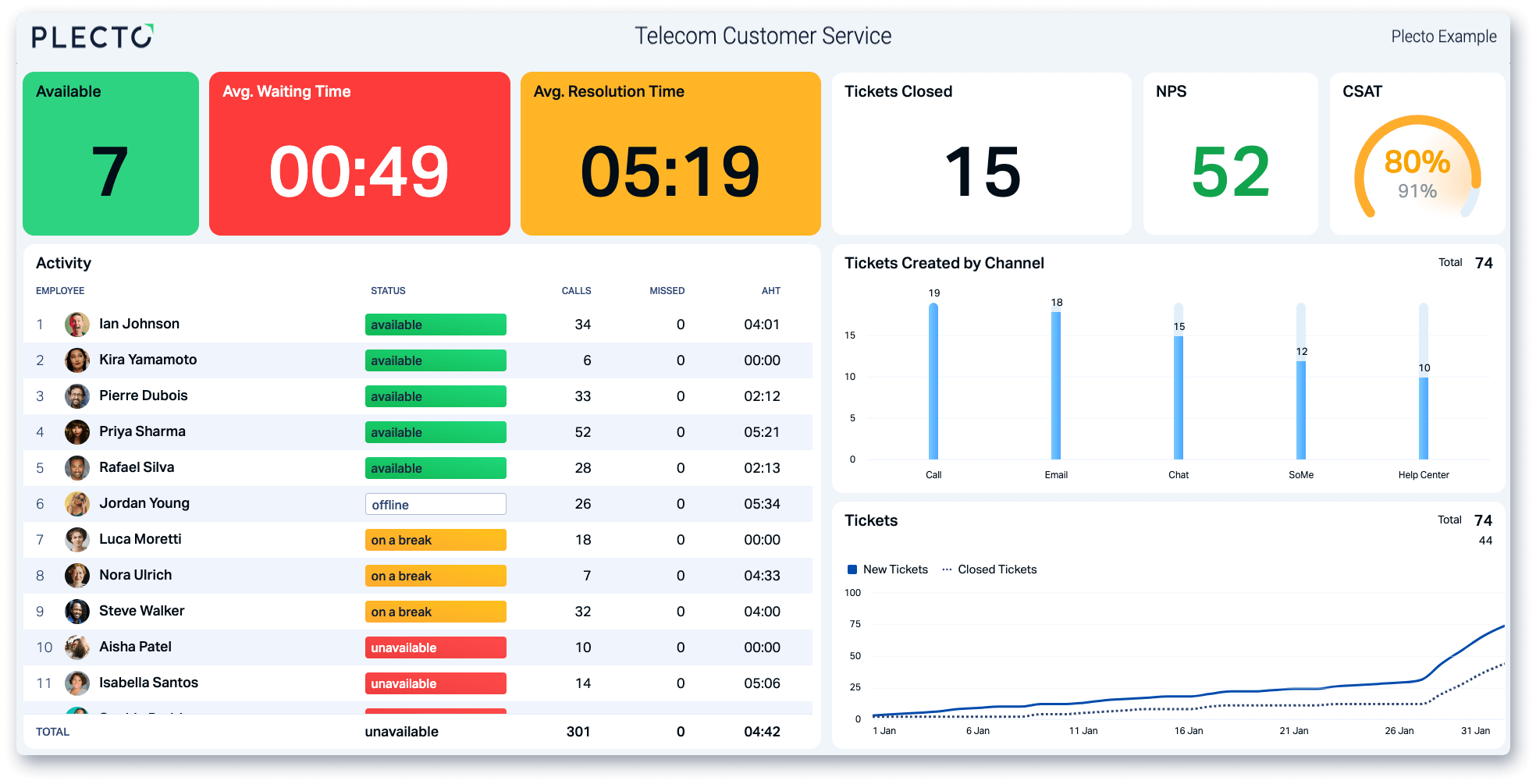
Real-time performance data – from dashboards and gamification platforms, you can visualize shared progress and spotlight leading indicators (see Plecto’s platform as a perfect example below)
-
The Pros and Cons of Implementing Modern Sales Gamification
Potential Benefits (= Team Celebrations)
When the mechanics reward the group, not the individuals, behaviors shift. Communication becomes a habit (not just a favor). Reps share what's working because the upside is collective. Over time, that builds confidence and reduces the end-of-quarter scramble.
Jason Ledbetter, Operator at Jason Ledbetter, sees a similar benefit in how teams work together. From a business operations perspective, where cross-departmental workflows and internal communication directly shape efficiency, he quickly learns that strong internal collaboration can have a direct impact.
Ledbetter shares, "When teams work toward the same goal, communication becomes easier. AND it looks like people are more willing to share what they know. That doesn't just improve how the team works but also creates a smoother experience for customers.
He wraps up saying, “Why? Because everyone is working from the same playbook."
The customer connection isn't abstract, as the service-profit chain has reinforced this over time. In fact, great employee experience equates to customer loyalty and business growth.
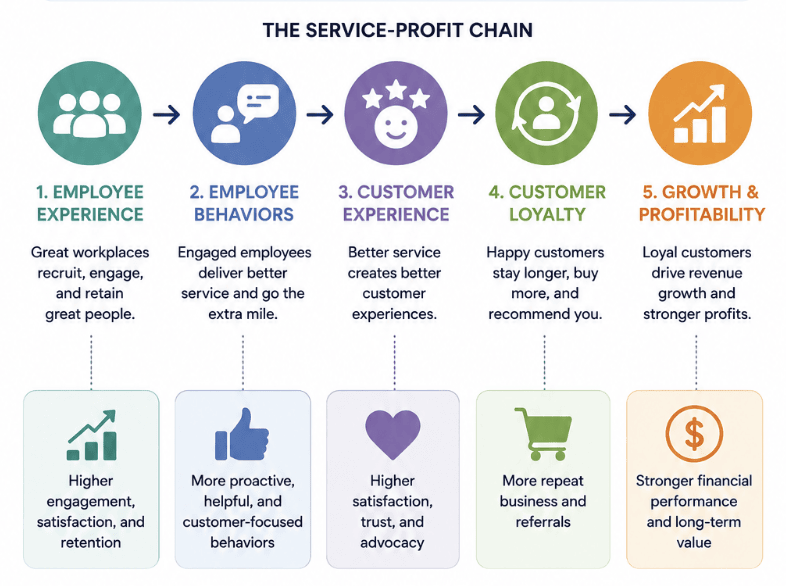
In sales, collaborative gamification can improve key metrics, such as time-to-first-value on new plays or markets as well as win rates on multi-stakeholder deals. It can even boost customer service performance for a more coordinated customer experience.
Apparently, it's not magic. It's focus and follow-through…but with a structure that makes great team habits the norm.
Possible Challenges (+Solutions)
Change is messy. Some reps love the chase and worry that collaboration means "lowest common denominator." Others fear their contributions will disappear into a group result. But remember: resistance and reporting headaches are normal.
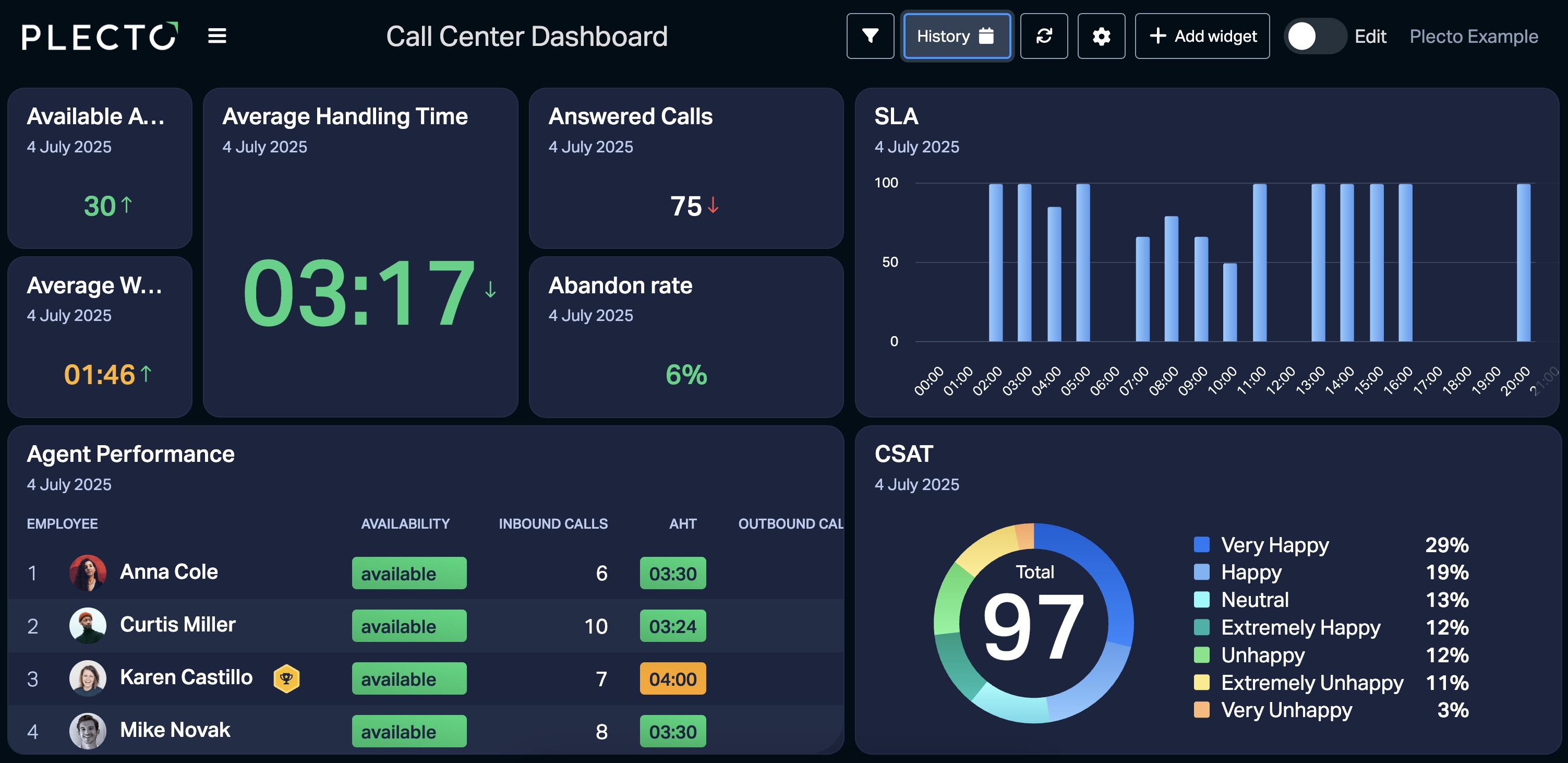
That said, you can overcome that with goal-setting, training, transparent metrics, and genuine support. Likewise, you have to design quests so every personality and background can contribute meaningfully.
Learn from Andrew Bates, COO of Bates Electric. He understands that successful teamwork makes sure everyone sees the value of their role.
In the electrical contracting business, a project can involve estimators, electricians, project managers, and office staff. Each contributes to the final result. If one person feels their work is overlooked, it can quickly affect motivation and collaboration.
 Build your own
Bates shares, “When a quest fails, it's rarely the mechanics. It's that no one could see their own contribution inside the group result.”
He concludes, “Once people know their specific piece is visible and valued, they stop protecting their numbers and start protecting the outcome.”
To avoid gamification mistakes, here are a few practical steps you can take:
-
Begin with a clear plan. Pick one team and one goal. But don’t forget a well-laid timeline. Remember: for gamification, align employee behavior with company goals.
-
Set key metrics in place. Measure and publish how teamwork is measured and how rewards are split as a team.
-
Coach and train the behaviors. Training, coaching, handoffs, and discovery-by-committee. They all help team members acquire and develop skills.
-
Offer rewards and protect recognition. Show individual impact inside the team outcome so that contributors feel seen and included. And that no one’s left behind.
-
Monitor and measure sentiment. Pulse-check engagement and stress and strike a balance between the two. Adjust before problems calcify.
Inclusivity deserves special attention. That said, build quests where quieter voices and different strengths can contribute.
For example, a home construction company handling bathroom remodeling in Brandon, FL could create a team quest around improving project handoffs. Think of designers, sales reps, project managers, and CS staff. They all could own part of the customer journey.
With this in place, everyone has a clear role with a justified sense of responsibility. Meanwhile, your entire team can focus on what matters most. That is delivering a better overall experience!
Shifting from Individual Competitions to Team Quests
Sales gamification has obviously come a long way. Traditional leaderboards aren’t the only option anymore. Today, modern gamification often works better by getting the whole team absolutely involved.
That’s where team quests come in: rather than competing against each other, team members work toward shared goals or unified objectives. This strategy boosts sales performance by winning sales and/or closing deals.
Ultimately, teams that move from individual competition to team quests can build a stronger sales culture. And, yes, sell more and more!
Seeking to kick your sales performance up a notch? Plecto offers modern gamification tools designed to keep your team motivated and engaged. Sign up today and try it free for 14 days.
Start your 14-day free Plecto trial today.
Enjoyed the article? Share it:


ROMAN SCHVYDUN