
Gen Z Doesn't Want a Badge: What Actually Motivates Younger Sales Reps Beyond Points

Gen Z Doesn't Want a Badge: What Actually Motivates Younger Sales Reps Beyond Points
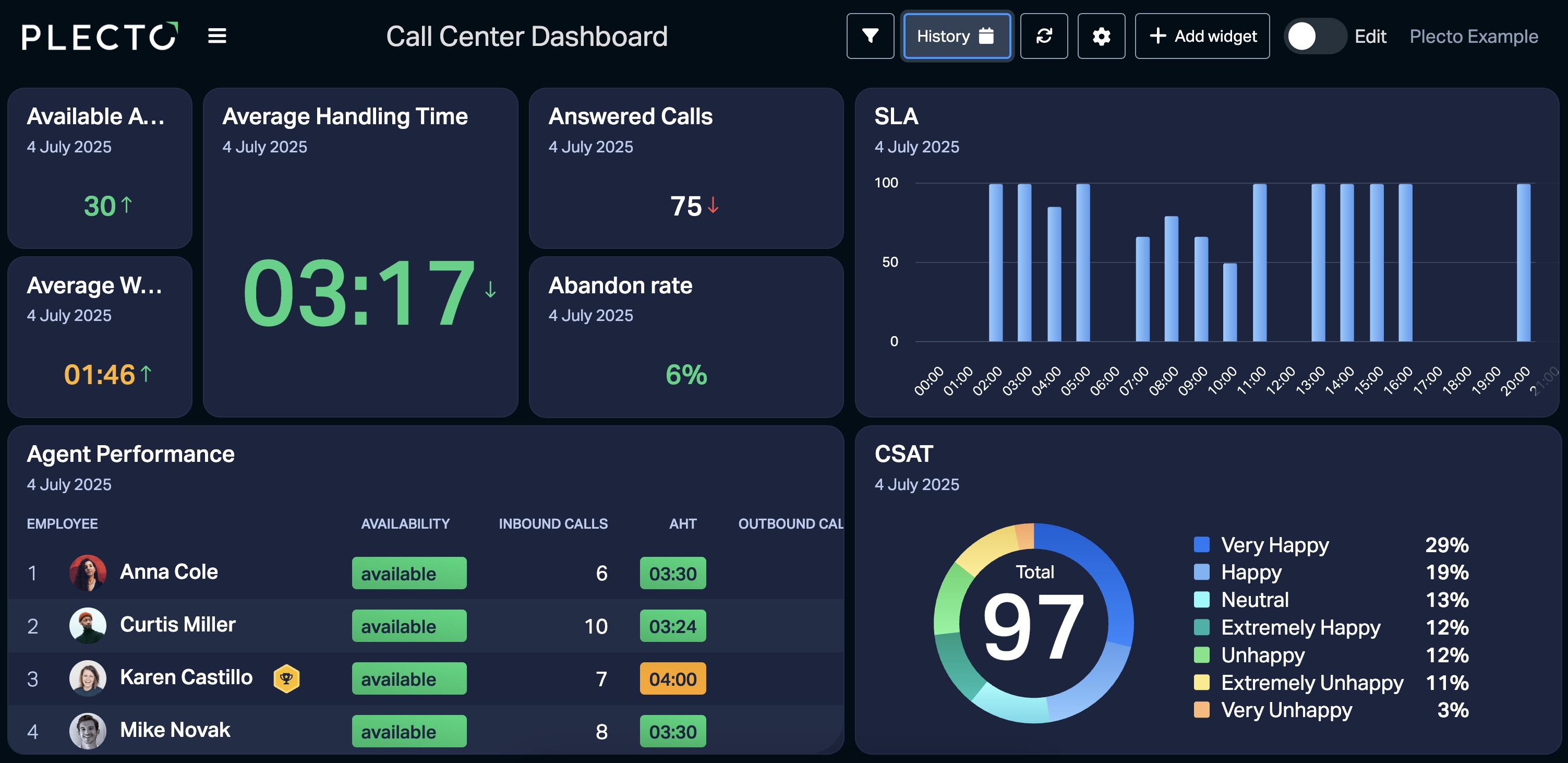
Walk into almost any sales floor, and you'll still see the classics:
- The leaderboard on a TV
- The monthly badge for top caller
- The stack of gift cards for spiffs
These things aren't bad. They're just incomplete…especially if you're hiring Gen Z.
A new generation is stepping into quota-carrying roles. AND they're not moved by points for points' sake. They want three things: transparency, purpose, real growth.
 Build your own
If you're building a team that actually sticks around, understanding employee motivation among younger reps is the difference between a revolving door and a bench of future top performers.
Keep reading to learn what motivates the younger sales reps and how your company can adapt.
Understanding Generation Z
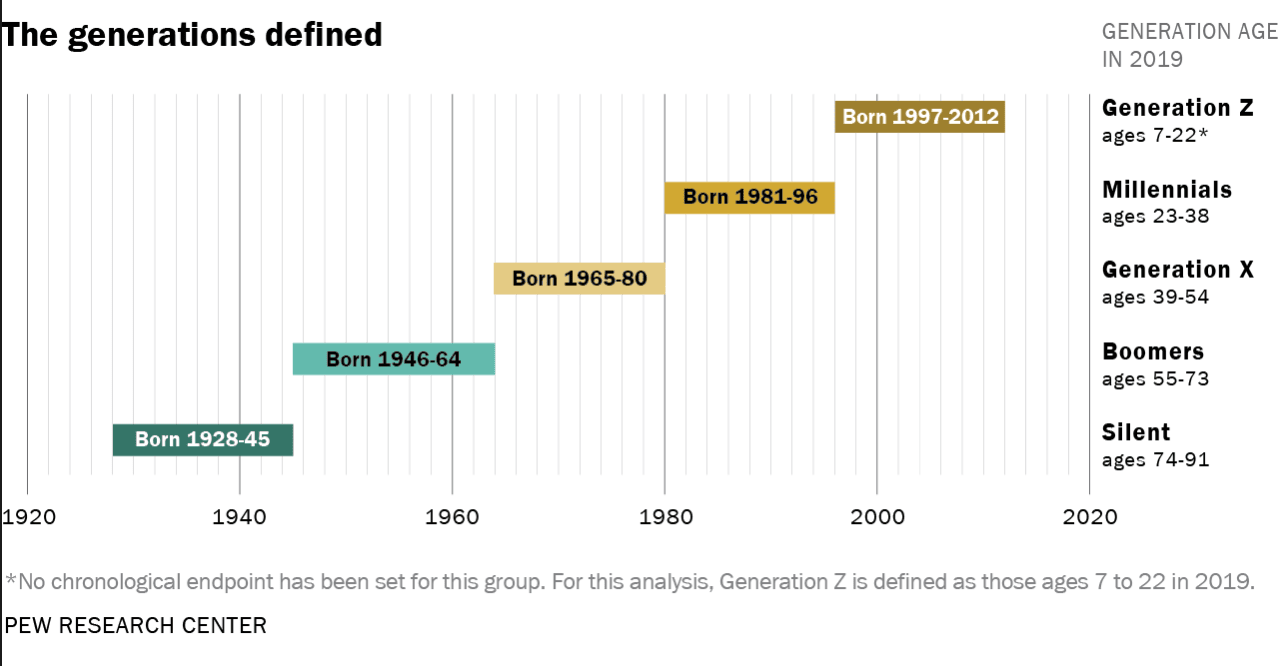
Gen Z typically includes people born between 1997 and 2012. This makes the oldest among them well into their late 20s and increasingly present in B2B and B2C sales roles.
Pew Research pinpoints that 1997 start date (take a glimpse below). This helps distinguish Gen Z's formative years from Millennials' early-Internet adolescence and Gen X's completely analog childhoods.
This cohort grew up with smartphones in their pockets. They had continuous social feeds and on-demand everything. That changes expectations at work.
According to Nick Wiese, Regional Vice President of Priority One Heating & Air Conditioning, says : "Gen Z approaches work with the same standard they expect from modern e-learning platforms," he says. "They want defined goals, real-time feedback, frictionless systems, and clear outcomes. When you build technology or sales processes for this cohort, gamification can't just be an arbitrary point system. It has to show them meaningful progress toward their personal and professional growth."
Deloitte's Gen Z and Millennial Survey shows purpose and connection are what retain the younger employees and make them loyal. Even as the cost of living remains a pressure point.
They're pragmatic and idealistic at once. They care about impact and want clarity on how to achieve it. Catering to the younger generation is one sales trend you should consider.
The Limitations of Traditional Incentives
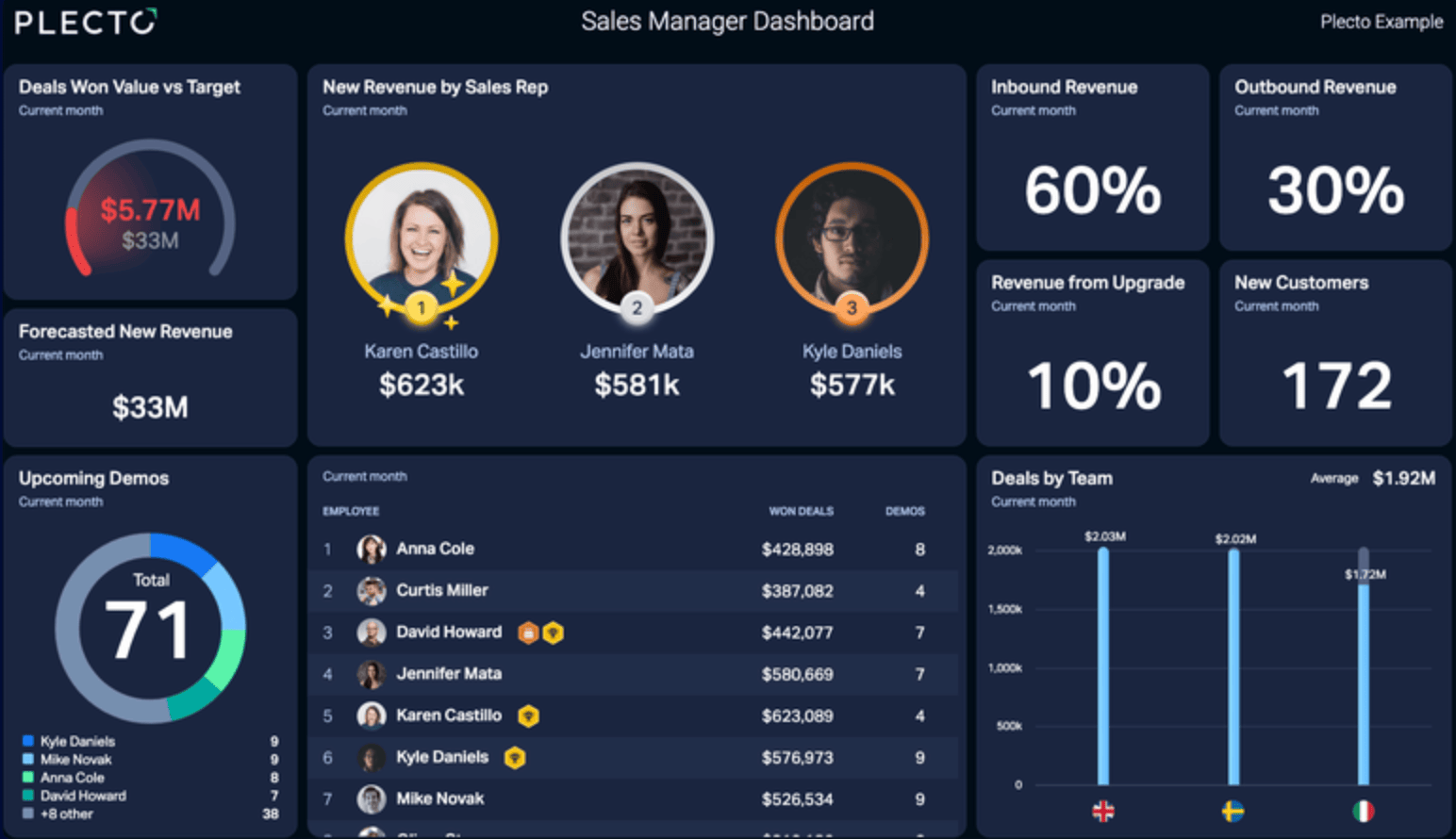
Most sales orgs still rely on a familiar toolkit (see the image below):
 Build your own
- Stack rankings
- Public leaderboards
- Badge systems
- Monthly awards
- Short-term spiffs layered on top of commissions
These can create quick spikes in activity. However, they often don't speak to what Gen Z cares about most.
Why the mismatch?
For many younger reps, numbers without meaning feel hollow. They want to understand what the scoreboard proves and how it ties to customer value and team health. Not to mention their own progression.
It's abundantly clear: the old playbook of badges and leaderboards is losing its grip on younger reps, who thrive in a modern, collaborative sales team.
You can hang a leaderboard on the wall. However, a Gen Z rep will glance at it and ask what it actually means for their growth.
Points and public rankings feel hollow to them if there's no real purpose behind the number. They want to know the score is tied to something that matters. Not just a game for its own sake.
Key Motivators for Gen-Z Sales Reps
To build a team that actually delivers, you can't rely on the old playbook. It's essential to boost the employee motivation of younger reps by aligning their daily targets with what they actually care about.
That said, here's what really drives Gen Z on the sales floor:
1. Purpose-Driven Work
Gen Z wants to sell something they believe in. They scan a company's mission and behavior with the same scrutiny they bring to a product review. When values are performative, they walk.
The same Deloitte report echoes this: Gen Z is increasingly choosing employers whose actions on sustainability, diversity and equity, as well as community, match their messaging.
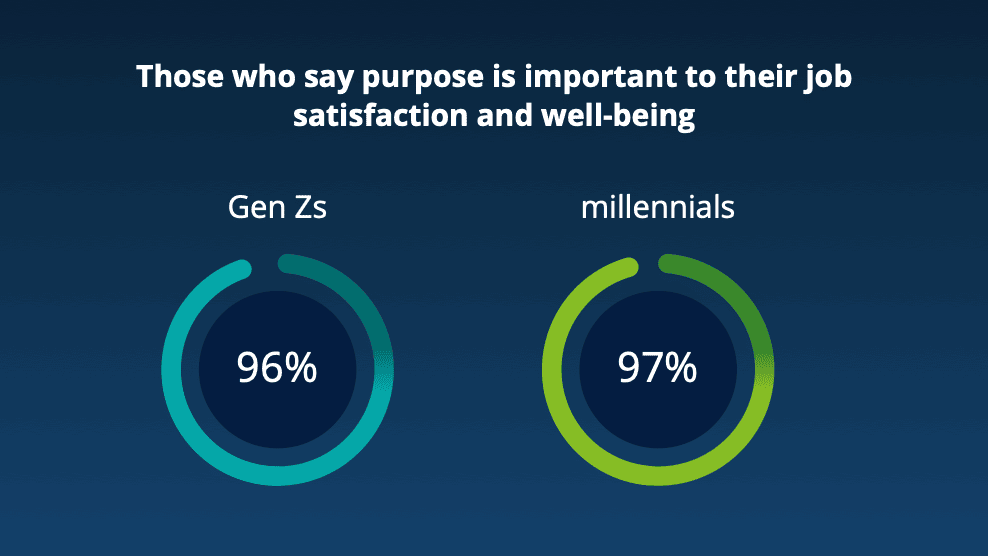
Purpose has become a genuine deciding factor for young candidates weighing job offers. About 96% of them say purpose is essential to their work satisfaction and overall well-being. Companies can no longer treat social impact as a marketing afterthought.
Plenty of companies are taking this seriously. Brands are tying revenue to measurable sustainability targets and volunteer time to community initiatives. You don't need a perfect record. You need real targets and honest progress reports.
Jesse White, General Manager of Balance Point Heating, Cooling & Plumbing, mentions: "They'll ask a recruiter what percentage of last quarter's volunteer hours were actually used, not just pledged," she says. "A company that can answer that question specifically keeps the rep. A company that gives a mission-statement answer to a numbers question loses credibility in that one exchange, and it's hard to get back."
2. Career Growth Opportunities
If there's one universal theme with younger reps, it's growth that excites employees and boosts motivation. They want to see the next rung on the ladder. They want to understand what it takes to reach it.
LinkedIn's Workplace Learning Report has consistently found that opportunities to learn and grow are among the top drivers of a healthy work culture across generations. That rings even louder for Gen Z.
Clear career pathways are one of the strongest retention tools for young sales talent. That's why it's best to build mentorship structures around this insight.
Gen Z reps want to know what the next rung on the ladder looks like and how they'll get there. Pairing them with a mentor and giving them tailored training tells them you're invested in their future. When people can see a path forward, they stay, and they push harder to climb it.
Tanyaporn Trirotanan, Vice President of Veerasak Gems , sees vague promotion criteria as the fastest way to lose a promising young rep.
"Every sales floor says 'top performers get promoted,' but almost none of them can tell a rep what 'top performer' actually measures," he says. "Gen Z reps don't wait around to find out by trial and error. If the criteria aren't published, they read that as the criteria not existing, and they start interviewing somewhere else within two quarters."
3. Work-Life Balance and Flexibility
Gen Z sees flexibility as trust made visible. Many will choose a team that offers remote options or flexible hours. Even a four-day week over a slightly higher OTE. These motivate even the underperforming employees.
In the UK's large-scale four-day week pilot, most participating companies reported improved retention and reduced burnout. Not to mention revenue stability. The proof is in the numbers:

Flexibility has moved from a perk to a baseline expectation for Gen Z. That's why it's best to focus your sales team's schedules around wellbeing.
For younger reps, the freedom to manage their own time is a genuine measure of whether they're trusted.
Remote options. Flexible hours. Real support for wellness. They all signal that you see them as whole people. That respect comes back to you in the form of energy and commitment.
Marcus Reid, a sales professional at Findsio, says: "Every sales leader assumes flexibility means fewer hours on the phone," he says. "What the four-day pilots actually show is fewer wasted hours, not fewer selling hours. Reps protect their best hours harder when they know the rest of the week is actually theirs."
4. Digital and Tech-Savvy Environment
Nothing tanks motivation like clunky tools. Younger reps expect their tech stack to be efficient, functional, integrated, and mobile-friendly.
Microsoft's Work Trend Index has repeatedly shown this: digital debt (too many tools, too little clarity) drains energy and innovation across the workforce. Simplifying the tech stack and reducing friction isn't a luxury.
Hand a Gen Z rep a slow, outdated system, and you've already lost some of their trust. They expect the tools at work to be as smooth as the apps they use every day.
When your CRM, enablement, communication, and collaboration tools work, reps spend their energy selling instead of fighting the software.
How Companies Can Adapt
You don't need to throw out recognition programs. You need to connect them to meaning and growth. Not to mention modern ways of working.
It's also worth creating opportunities for reps to connect outside their usual workflows. Sales team building activities can strengthen collaboration, build trust, and give younger employees a chance to develop stronger relationships with their colleagues.
- Redesign incentives around outcomes. Balance revenue metrics with customer service performance and/or employee retention where relevant. Recognize behaviors that lead to long-term success: quality discovery, multi-threading, cross-team collaboration. Put the new structure in writing early — reps trust a compensation change more when the contract management process behind it is visible, not just the number on the new plan.
- Make career paths quite transparent. Publish role competencies and promotion criteria. Pair new reps with mentors and run structured coaching sessions. Track skill progress. Not just pipeline size.
- Build flexibility into operating systems. Offer remote/hybrid options and flexible hours where possible. Set team-wide "focus blocks" and meeting-light days to protect selling time. Support mental health with realistic targets and time off that people take.
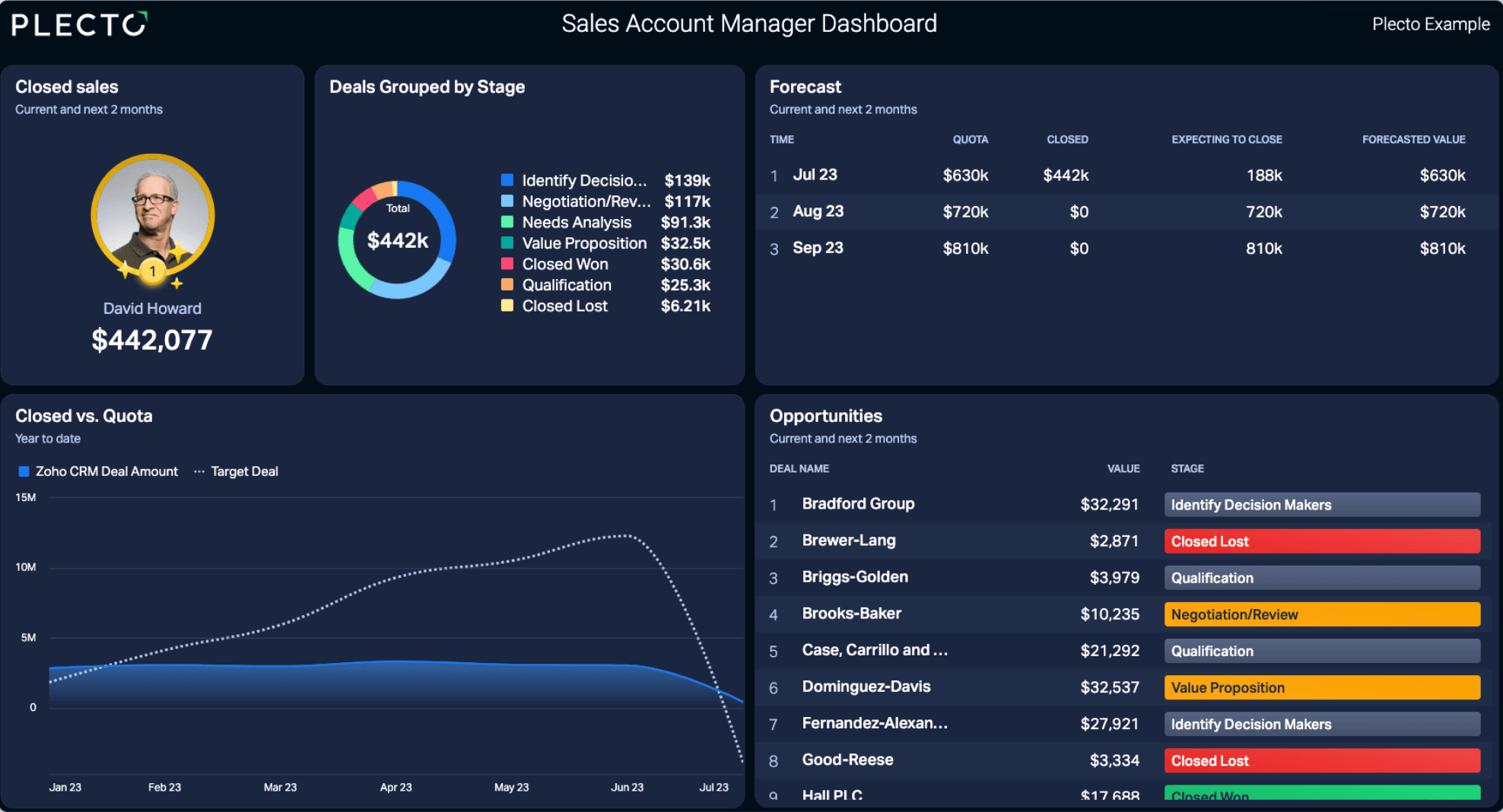
- Upgrade and simplify your tech stack. Keep the CRM clean and automate the busywork using tools. Connect your data, so reps see one version of the truth. Use dashboards like Plecto that show context like progress toward meaningful goals and next best actions.
 Build your own
- Create real-time feedback loops. Run regular pulse checks with Gen Z reps and review the feedback in the open. Make sure to pilot changes quickly and iterate in public. That way, people see how their input shapes the plan.
The best course of action? Adapting for Gen Z as an ongoing conversation rather than a one-time overhaul!
If you want a simple place to start, ask your team three questions:
- Which metric on our dashboard matters most to you? And why?
- What's one part of your workflow that's slowing you down?
- What would make you feel more confident about your next career step here?
Then, act on the answers. Even small fixes, such as auto-logging calls and clearer stage definitions, signal that you're listening.
Motivating Younger Sales Reps for Success
Younger sales reps aren't anti-competition. They're anti-empty.
Sure, badges, points, and public rankings still have a place. BUT only when they reinforce a culture that values purpose, growth, flexibility, and great tools.
Gen-Z professionals want work that makes sense. Meet them there, and you won't just keep your best new hires. Ultimately, you'll build a healthier sales engine for everyone.
So, rethinking incentives and dashboards? Start by making your metrics more meaningful and your progress more visible.
Plecto can help you bring real-time performance data together, set transparent goals, motivate your team, and recognize the behaviors that actually move the needle. Get in touch with them today!
Start your 14-day free Plecto trial today.
Enjoyed the article? Share it:


ROMAN SCHVYDUN