
How to Onboard Better: Connecting Governance, CRM Data, and Real-Time Dashboards

How to Onboard Better: Connecting Governance, CRM Data, and Real-Time Dashboards
Introduction
Organizations in the current era need to rely on accurate information for quick decision-making. However, the essential information resides in various sources such as CRM systems, spreadsheets, e-mails, financial systems, and minutes of meetings. This leads to the usual scenario where people waste their time on figuring out the correct information rather than using it to their advantage.
 Build your own
Why Leaders Need to Onboard Teams Around a Single Source of Truth
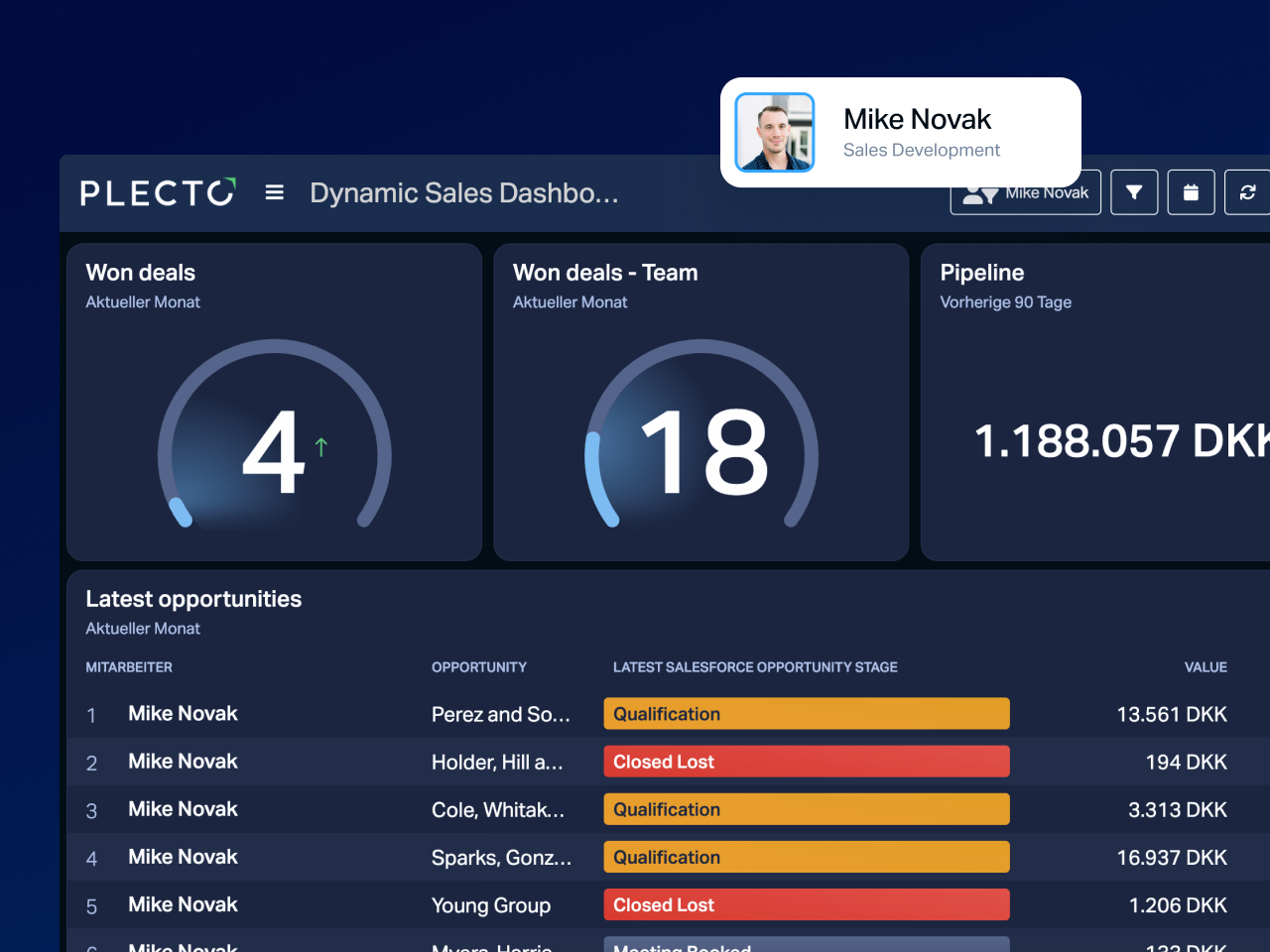
This is because the single source of truth ensures that important metrics are managed on a single system and the rest of the tools simply make use of the data instead of duplicating information. According to Plecto, the reason why CRM can be considered the perfect source of truth in terms of revenue data is the fact that it contains leads, communication, proposals, pipeline status, ownership and closed business deals.
The same can be said about governance. Board members require up-to-date access to agendas, documents, decisions, history and action items. The OnBoard platform offers an environment that helps in managing all of this. Some of the features offered by this platform include agenda creation, minute taking, task management, dashboarding, approval, meeting analytics and mobility.
How to Onboard Data Without Creating Another Information Silo
The point here is not to fit all corporate functions into one application but to determine who owns the critical datasets and build connections around it. The advice given by Plecto about CRM is quite clear in this respect: specialized software can do its job but rely on trusted data coming from CRM.
This methodology may also help in developing better board reports. Governance solutions can track the official meeting minutes, and business intelligence solutions can visualize the operations or revenue performance. With the integrations making sure that data gets moved in an automated fashion, people won’t need to copy numbers into slides or spreadsheets multiple times. New reporting processes can thus be integrated without extra reconciliations.
Onboard Decision-Makers With Clear, Current Information
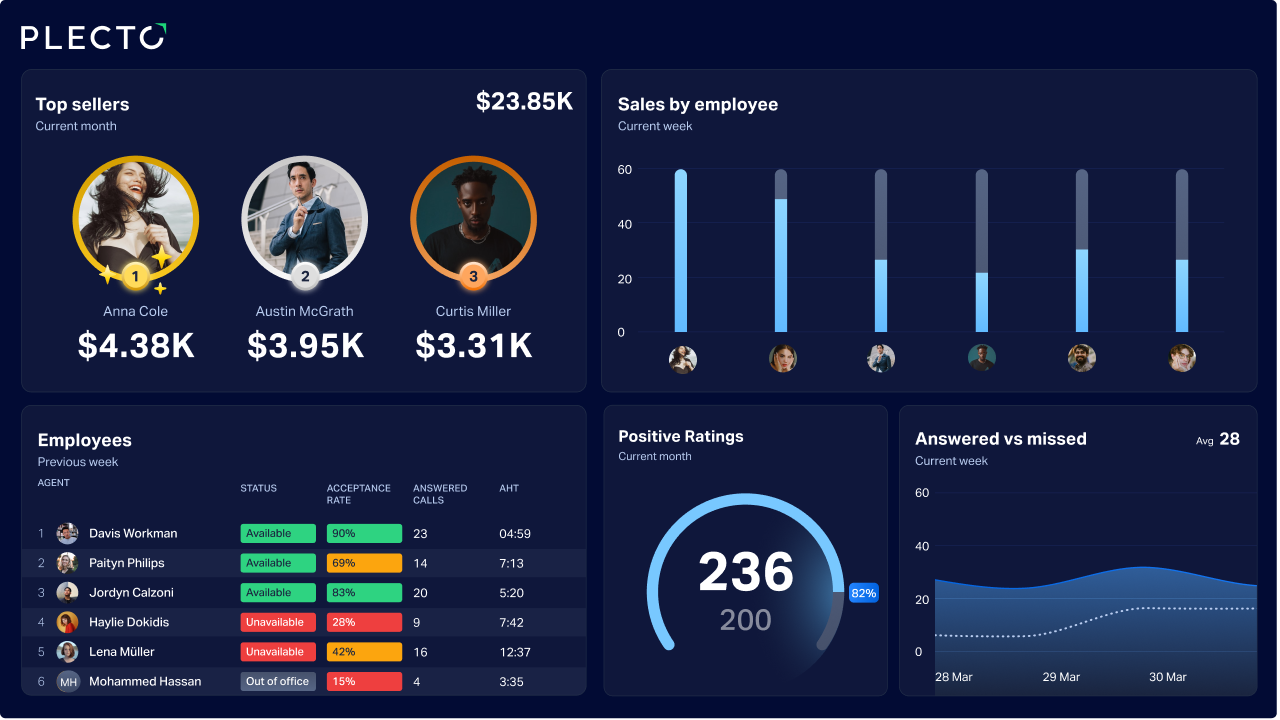
A well-designed dashboard is more than just a set of charts. It provides a means to comprehend the important issues, changes, and actions that are required. Plecto provides real-time dashboards to convert CRM data into performance data that can be visualized, eliminating the need for old-fashioned exportation and report generation.
The same problem is faced by the governance team. The directors do not have to go through email attachments in order to find out the latest copy of the board document. OnBoard is a tool that ensures that everything is stored in one place and that includes preparation, annotation, voting, signatures, documents, and meetings.
How Dashboards Help Onboard Teams Into Better Decisions
A properly designed dashboard provides a language of performance. Salespeople will be able to observe pipeline activity, managers will keep an eye on their objectives, and senior executives will be able to align results with strategic considerations. Since the underlying data is coming from the source system, the time will be saved on wondering which Excel file is up-to-date.
The visualization aspect is especially helpful as the team is expanding. It allows for quicker integration of new hires since they can understand metrics, definitions, and objectives that have been agreed upon by the company. They won’t need to learn different ways of reporting but can see how what they do fits into bigger plans.
Onboard Governance With Better Meeting Preparation
Meetings tend to be productive if all parties come prepared. The OnBoard platform operates through the lifecycle of meetings, which include agenda creation, board books, minutes, actions, document management, and engagement. The platform has a searchable governance library where users can access information about policies and historical documents within one governed space.
This aspect is important in case of leadership transition. The newly appointed director should not start rebuilding years of decision making from scratch. Historical information will allow him to make some conclusions about decisions made in the past and thus get ready to engage in the work faster.
Use Onboard Workflows to Improve Accountability
Information that is reliable is of value only when it inspires action. Information from the CRM system may be used to determine what areas need focus, whereas information from the board meetings may be used to assign accountability for those areas and their follow-up.
The combination of these two processes will result in a more tangible link between information, decision-making, accountability, and results. For instance, while the leadership dashboard indicates poor sales performance, the board’s governance workflow may document the strategic response to such issues.
How to Onboard AI Without Losing Trust
The AI can provide an additional level of intelligence, but it needs to be performed in a controlled information environment. According to OnBoard, there are certain AI features that can help to perform board-related work better. In particular, there are such features as agenda preparation, insights on meetings, transcription and drafted minutes. The platform pays special attention to the fact that all board-related activities should be done within the controlled environment.
 Build your own
This rule should be applied to the AI-related analytics used by organizations as well. All automated insights are valuable only if there are clean and verified records.
Onboard a Culture of Data Discipline
Technology, alone, does not make the creation of a truth-based source possible. Team members require common definitions, consistency in data entry, de-duplication of the data, mandatory data fields, and procedures that avoid errors. As per the suggestions made by Plecto, it is important to understand that poor data quality undermines the accuracy of the data in the CRM system.
Thus, it is critical for organizations to ensure that the data quality remains a matter of management on an ongoing basis. Management can do so by ensuring that the trusted systems serve as the default source of updates and through the use of dashboards.
Onboard the Future With Connected Dashboards and Governance
However, the best companies don’t merely gather information; they make trusted information more usable. This could be done by having a CRM that would work as the income source of truth, a dashboard for making performance visible and a governance platform for retaining decisions, documents and accountability. The end effect will be an integrated information ecosystem rather than disjointed tools.
Conclusion
The take away from this for teams building performance dashboards is very clear: build it on the foundation of trust, context and actions. Provide users with up-to-date information, integrate siloed tools and retain decisions. With one consistent view of reality enabled by technology, decision makers would waste less time reconciling data and focus on decision making instead.
Start your 14-day free Plecto trial today.
Enjoyed the article? Share it:


LAURA GREENE